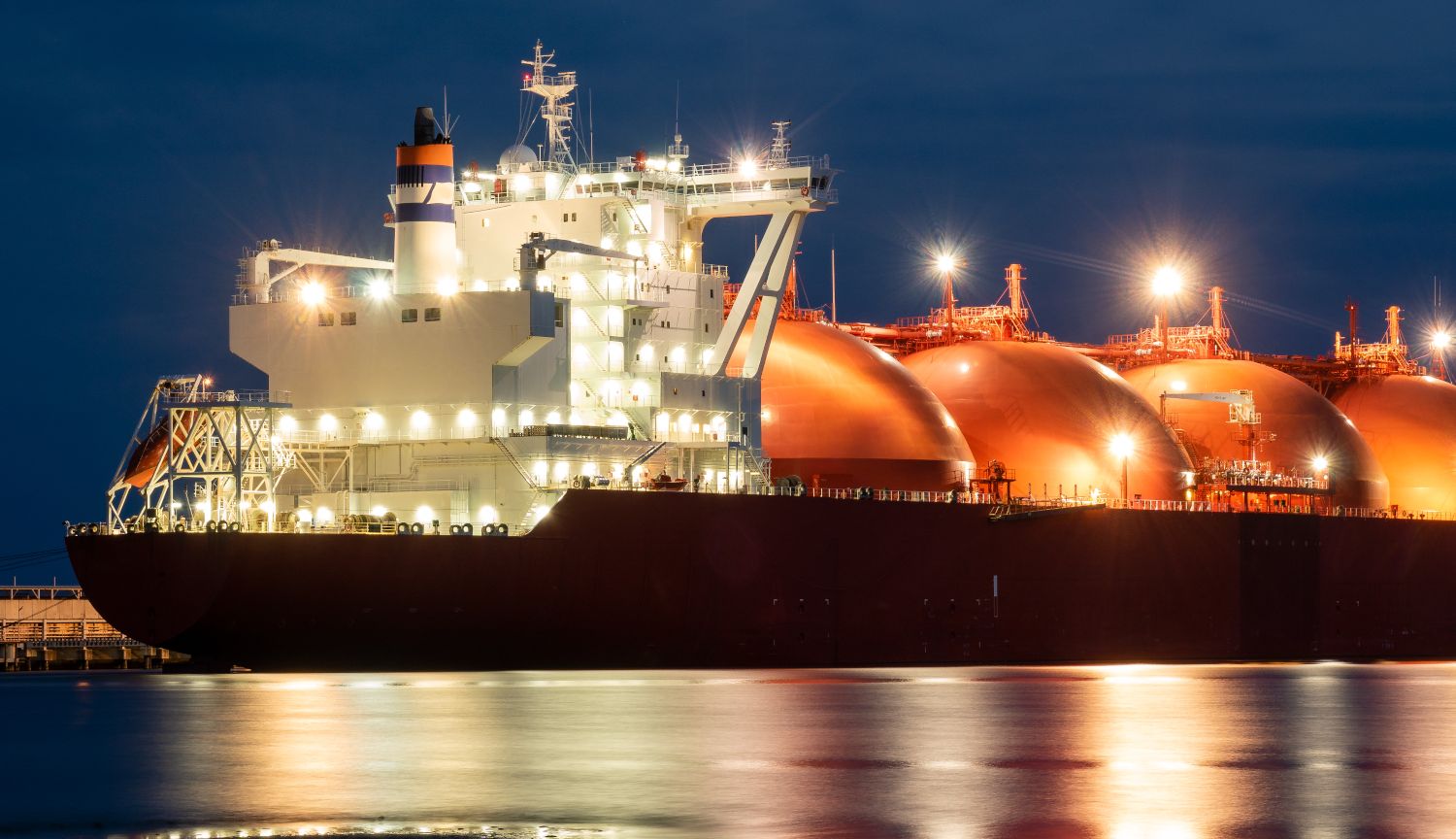
Schlau Energy is exploring significant number of liquefied natural gas (LNG) business opportunities in the Gulf of Guniea. Our strategy is to support the efforts in meeting the supply gap from a diverse network of customers around the world. We are collaborating with investors, shipping and storage assets owners, and regasification plants globally.
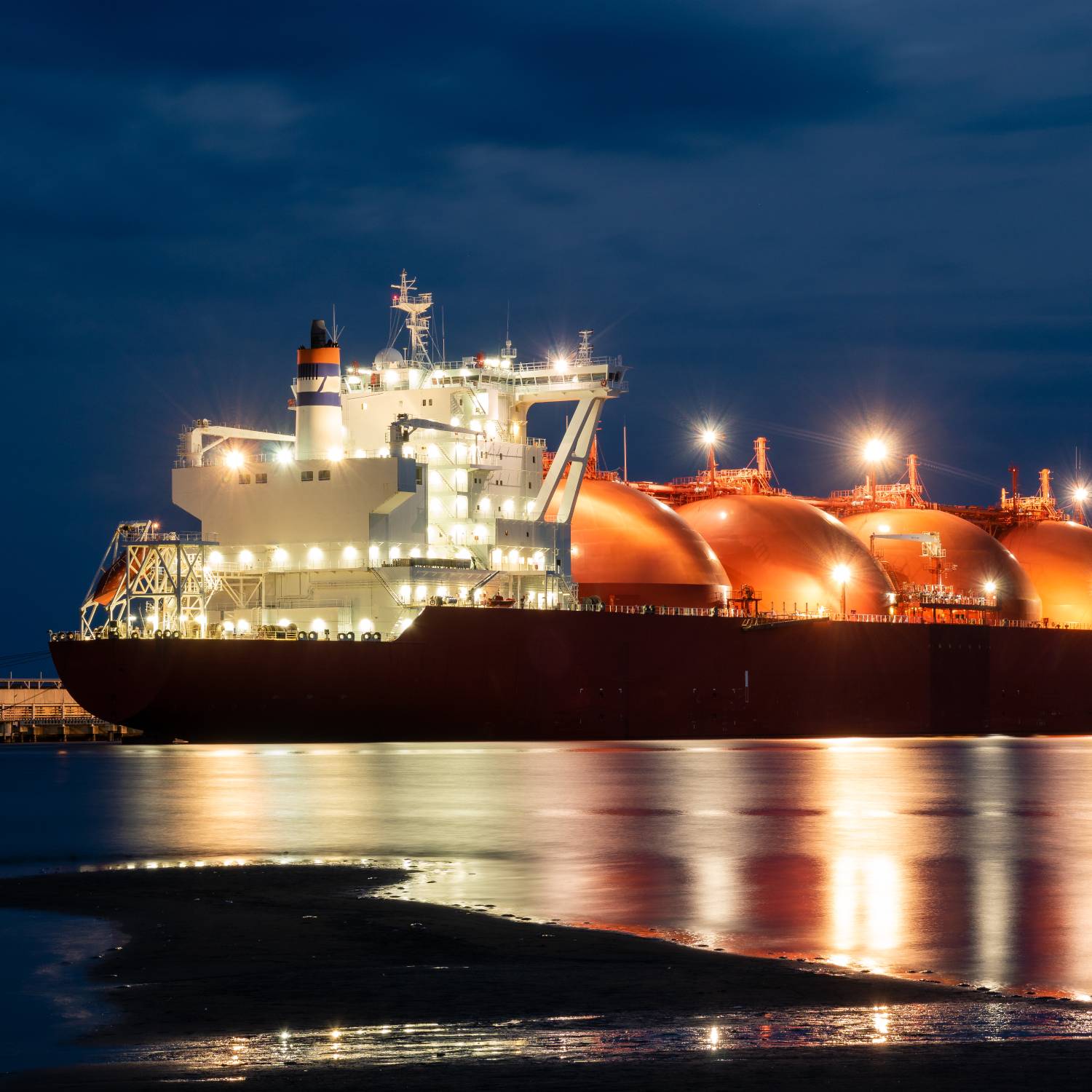
Liquified Natural Gas (LNG) is natural gas cooled to a liquid state at temperature of about -162°C (-260°F). Consequently, the gas volume is reduced by around 600 times, making it easier and safer for storage and transportation. The geographical difference between Cities and industries that depend on natural gas for energy and gas fields make pipelines transportation impractical. Cooling natural gas to a liquid form makes efficient transportation on ships as LNG, feasible. Natural gas contributed about 23% of the world's energy consumption in 2023, based on data from Energy Institute's Statistical Review of World Energy.
Globally, LNG has a wide range of applications including power generation, industries, transportation and residential homes. Natural gas will play a dominant role in the energy transition by producing less carbon emissions than other conventional fuels. Electricity generated from natural gas will support grid stability and providing energy security in the coming decades as the share of renewable energy grows.
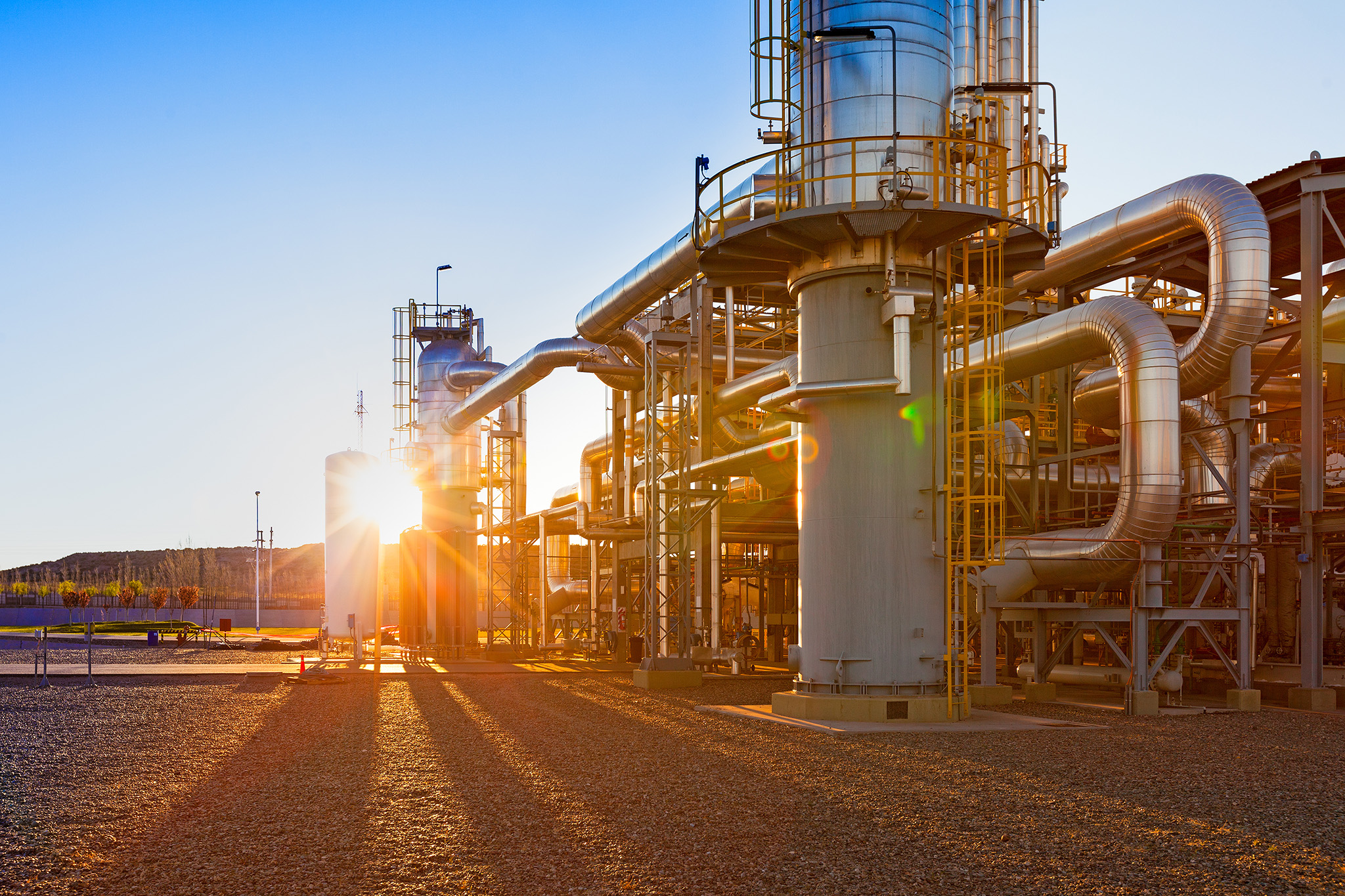

Recent studies have shown that the global demand for liquefied natural gas (LNG) is projected to rise by more than 50% by 2040. The world is also witnessing industrial coal-to-gas switching gather pace in China, and South Asian and South-East Asian countries use more LNG to support their economic growth. The demand profile is therefore expected to rise substantially.
At Schlau Energy, we understand that natural gas is the lowest-carbon fossil fuel. It produces about 50% less carbon emissions than coal when used to generate electricity. Natural gas also releases far lower Sulphur dioxide, nitrogen oxide and other compounds that give rise to air pollution. We recognize the need to arrest the surge in greenhouse gas emissions associated with the production, processing, transport and distribution of Liquified Natural Gas.
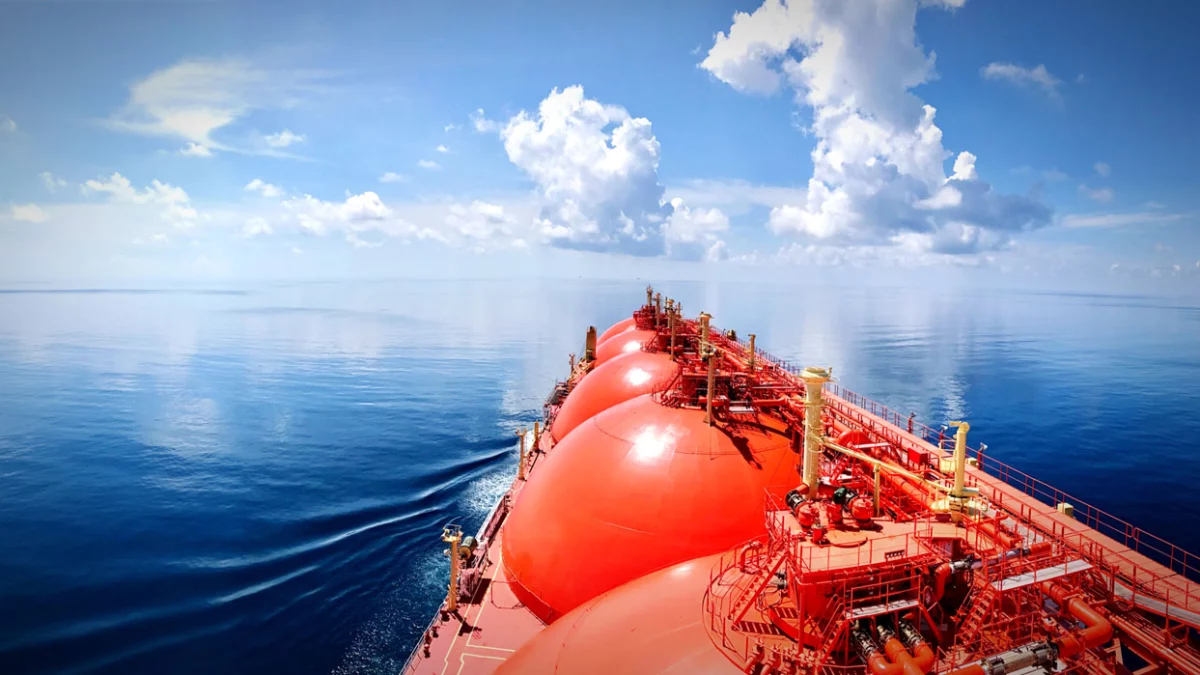
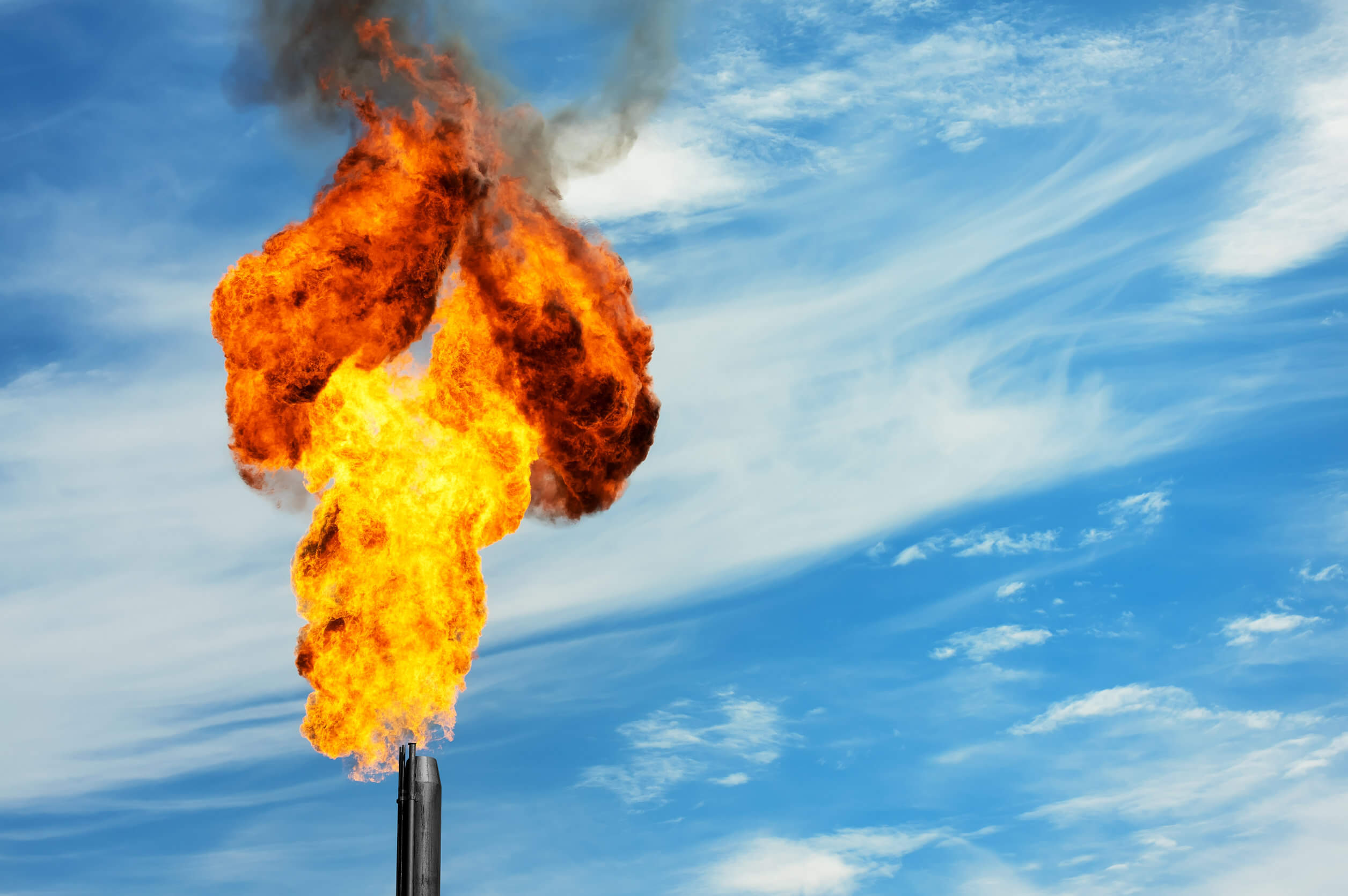
Our strategy is to decarbonize our LNG interests in the following ways: We will invest in LNG with a lower carbon intensity. This includes LNG produced using renewable power and carbon abatement technology such as carbon capture and storage. We will be at the forefront of efforts by the sector to reduce methane emissions. Schlau Energy strive to maintain the methane emissions intensity of LNG commitments to below 0.2% and achieve near-zero methane emissions by 2030. In line with industry resolution, we have committed to routine flare elimination from our Upstream operated assets by 2030.
Schlau is partnering with other operators for collaboration in Floating liquefied natural gas (FLNG) opportunities. The FLNG technology is complementary to conventional onshore liquefied natural gas (LNG) as it aids in fast-tracking the development of gas resources to meet the world's growing demand.
LNG technology makes the production, liquefaction and storage of natural gas achievable in marine environment. Processed LNG is moved directly from the floating facility to nominated carriers for shipping to different regions globally. Produced natural gas from subsea fields is processed and chilled to -162° C (-260° F). Consequently, the gas volume shrinks by 600 times to form LNG. Modern FLNG facilities are designed to pack a typical land-based LNG plant into a fraction of its traditional footprint.
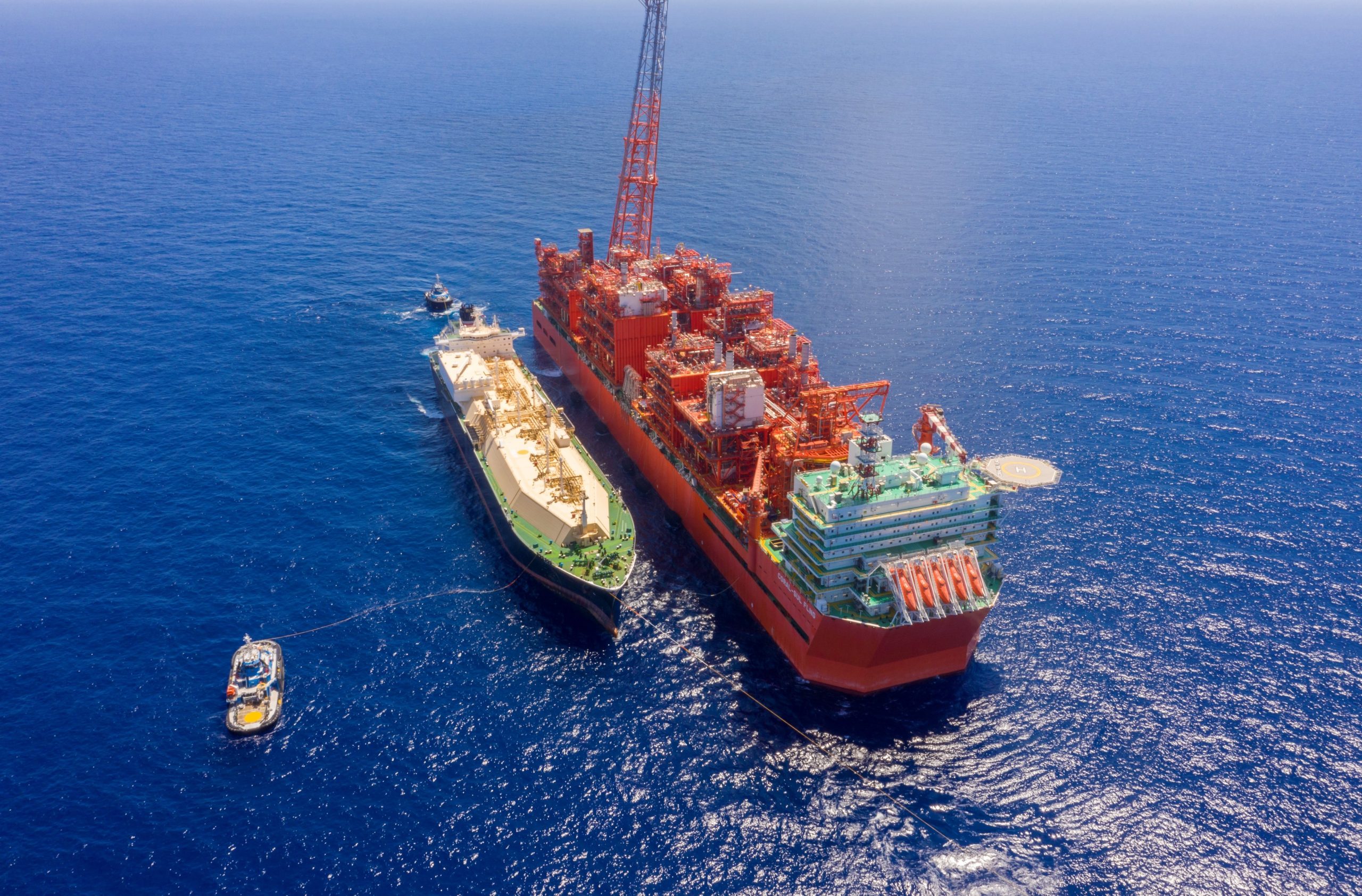
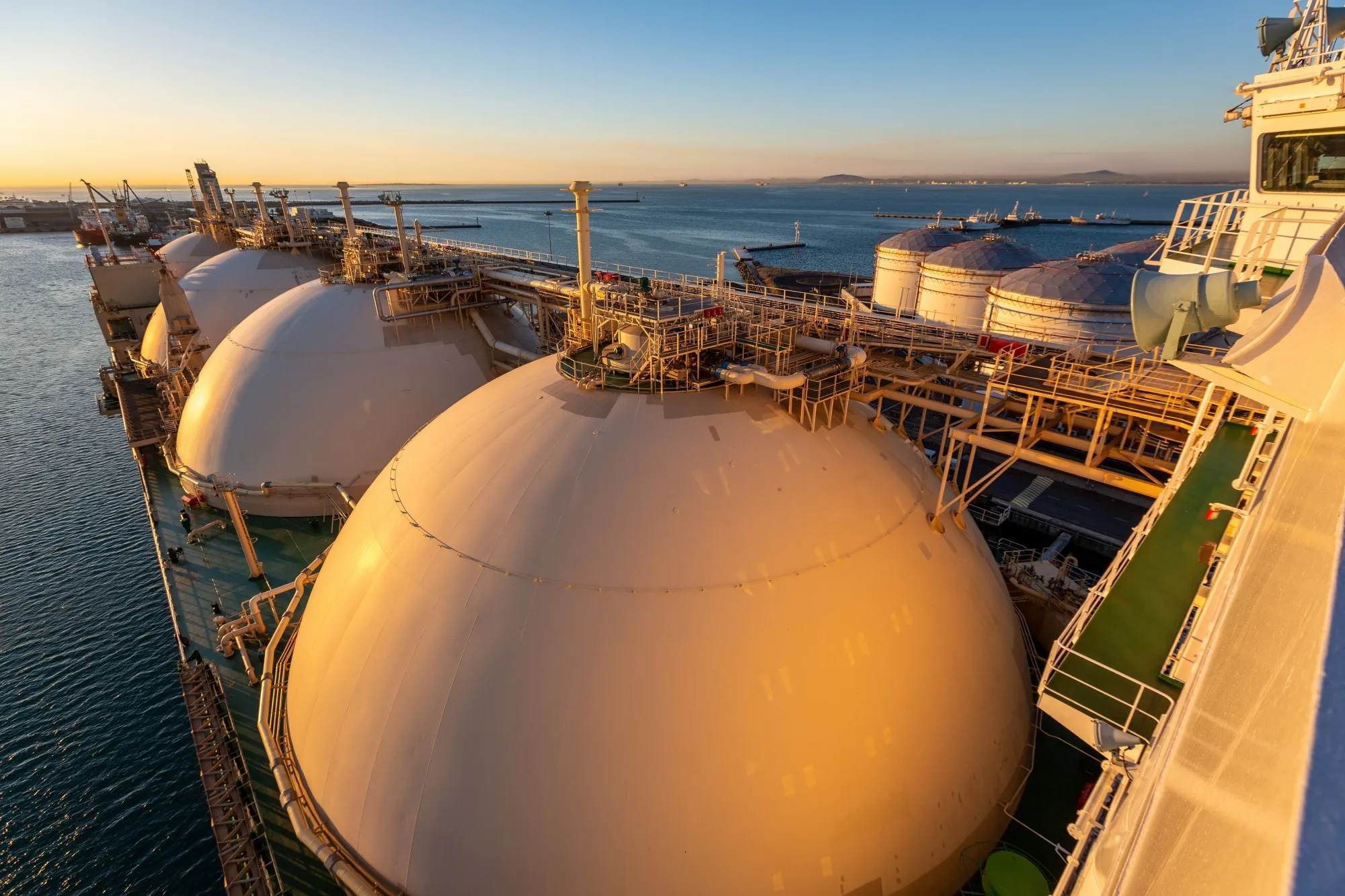
Schlau Energy has interests in liquefied natural gas (LNG) opportunities in some acreages along the Gulf of Guinea. At full development, LNG volumes will be supplied to buyers to meet the growing demand globally. At destination, LNG will be turned back into natural gas (regasification process) so that it can be piped to customers.
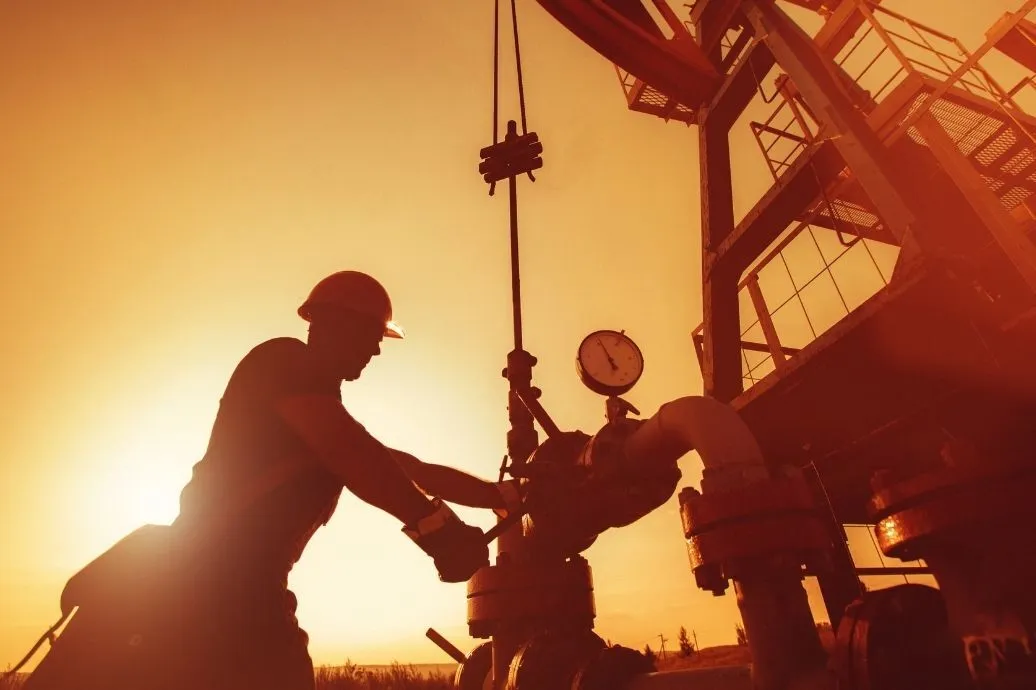
Oil and gas industry will retain its prominence for years to come. Decarbonization efforts will vary for different industries.
Read more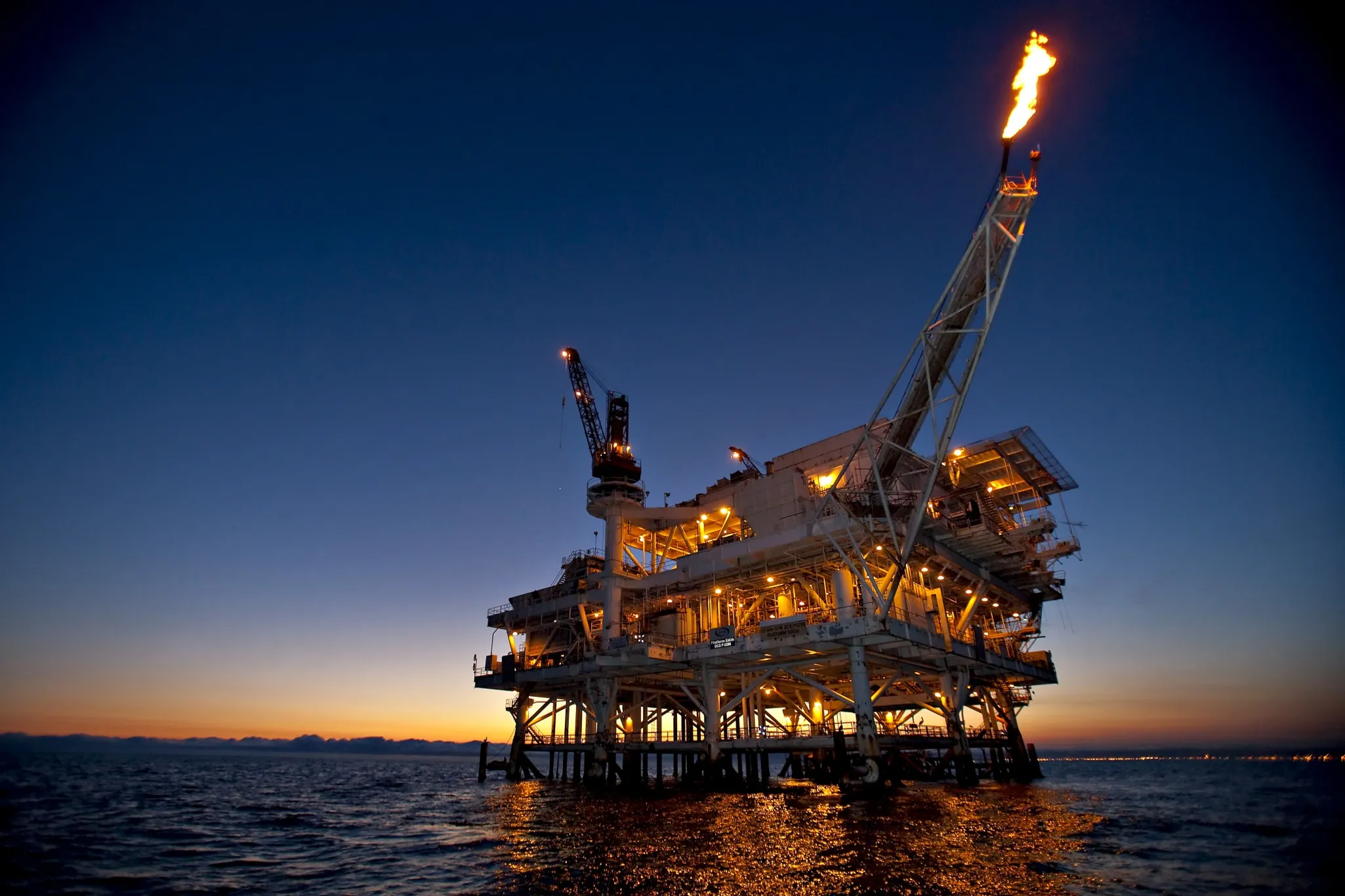
One of strategic focus areas is deep-water oil and gas production for higher-margin and lower-carbon barrels delivery.
Read more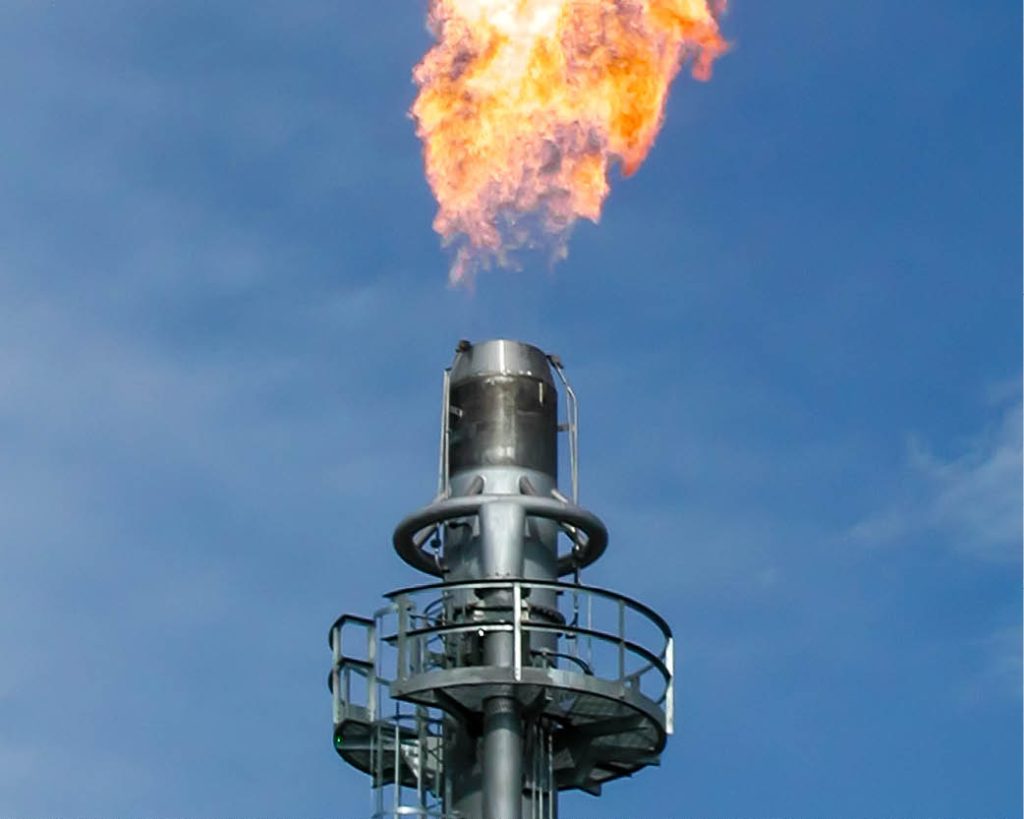
Schlau has set a target to eliminate routine gas flaring from its Upstream-operated assets by 2030 in line with World Bank's Zero Routine Flaring by 2030 initiative, to which the major operators are signatories.
Read more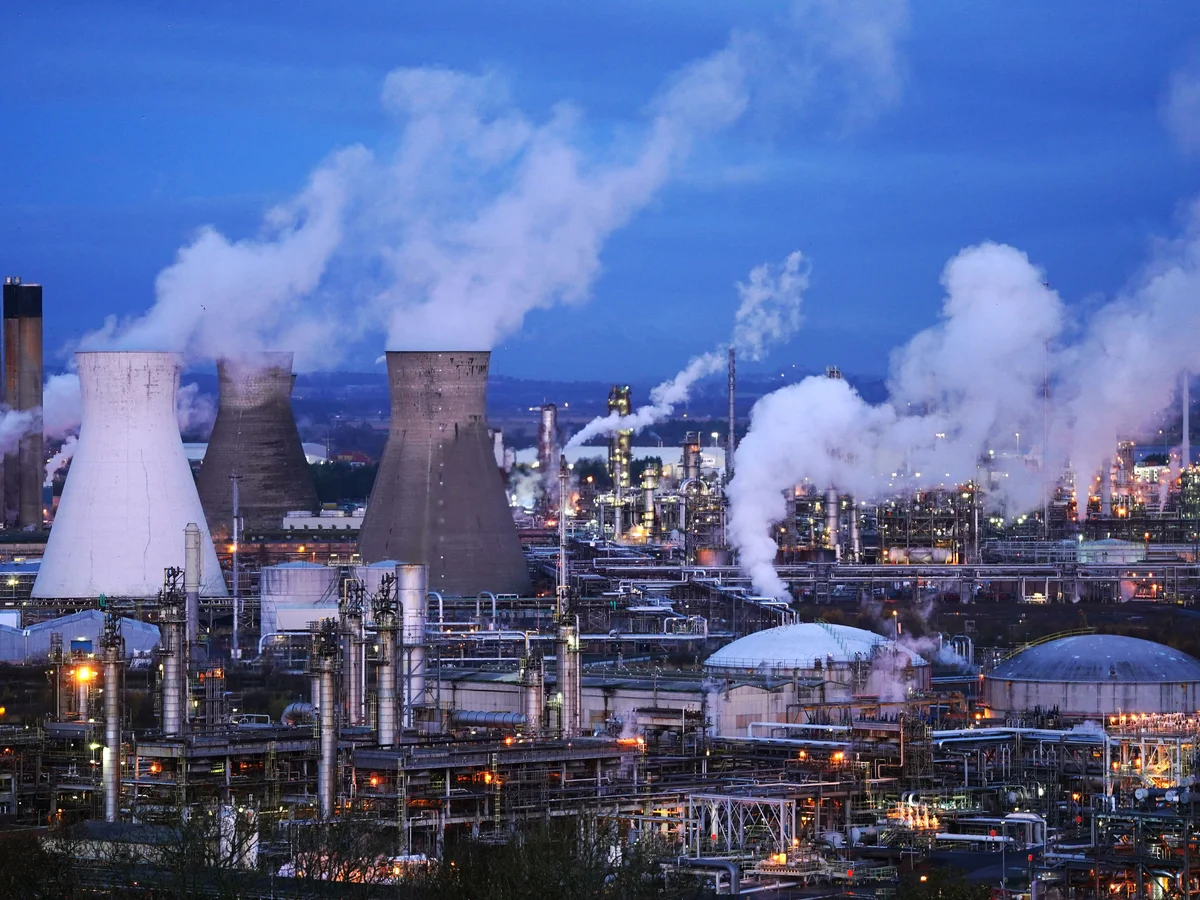
Natural gas has methane (CH₄) as the primary component. Sadly, methane is a powerful greenhouse gas with impact on climate change over 20 years more than 80 times greater than carbon dioxide (CO2).
Read moreSchlau Energy is exploring significant number of liquefied natural gas (LNG) business opportunities in the Gulf of Guniea.
Read more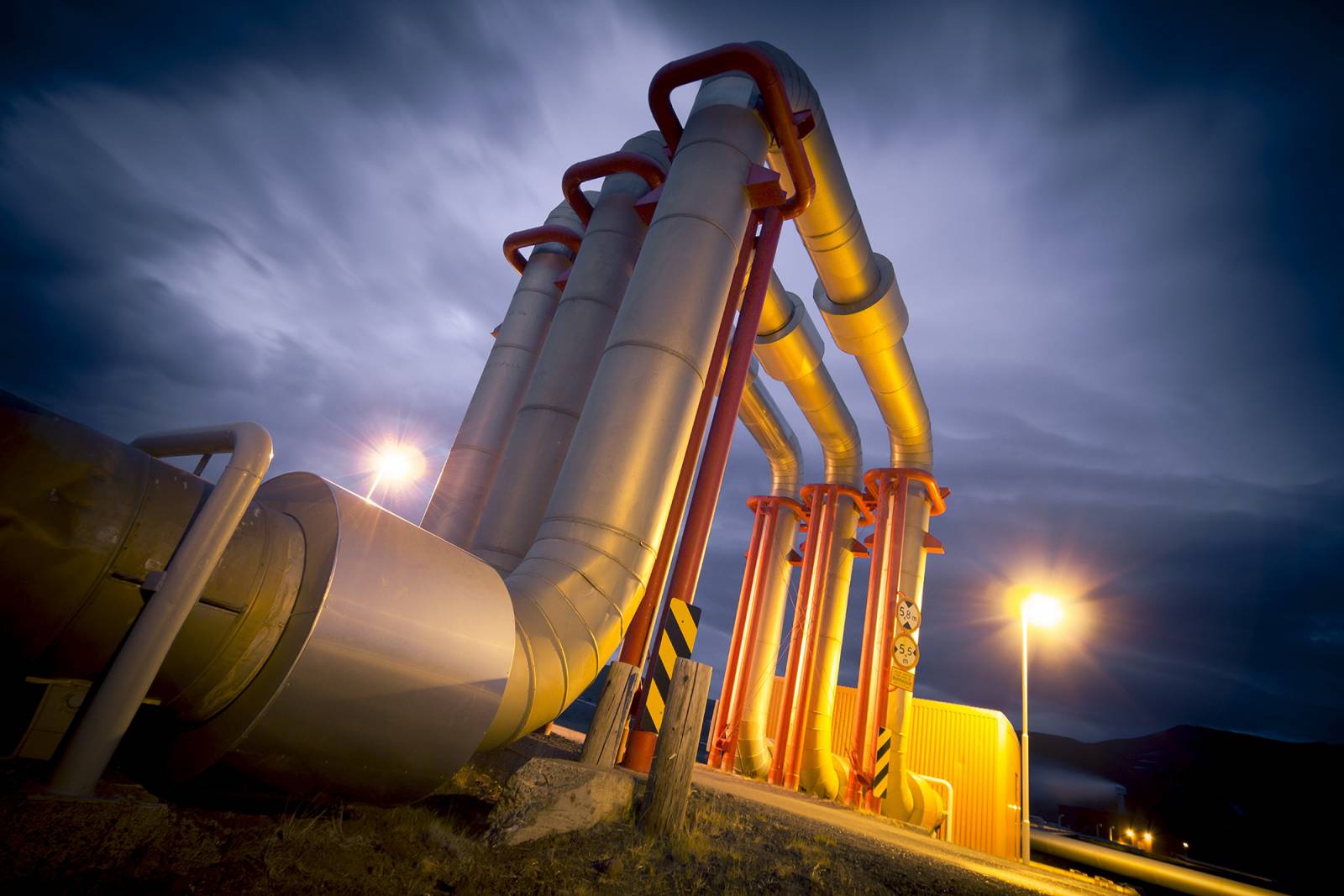
We are investing in gas-to-liquids projects designed to turn natural gas into excellent quality liquid fuels, base oils, and other liquid derivatives from oil.
Read more