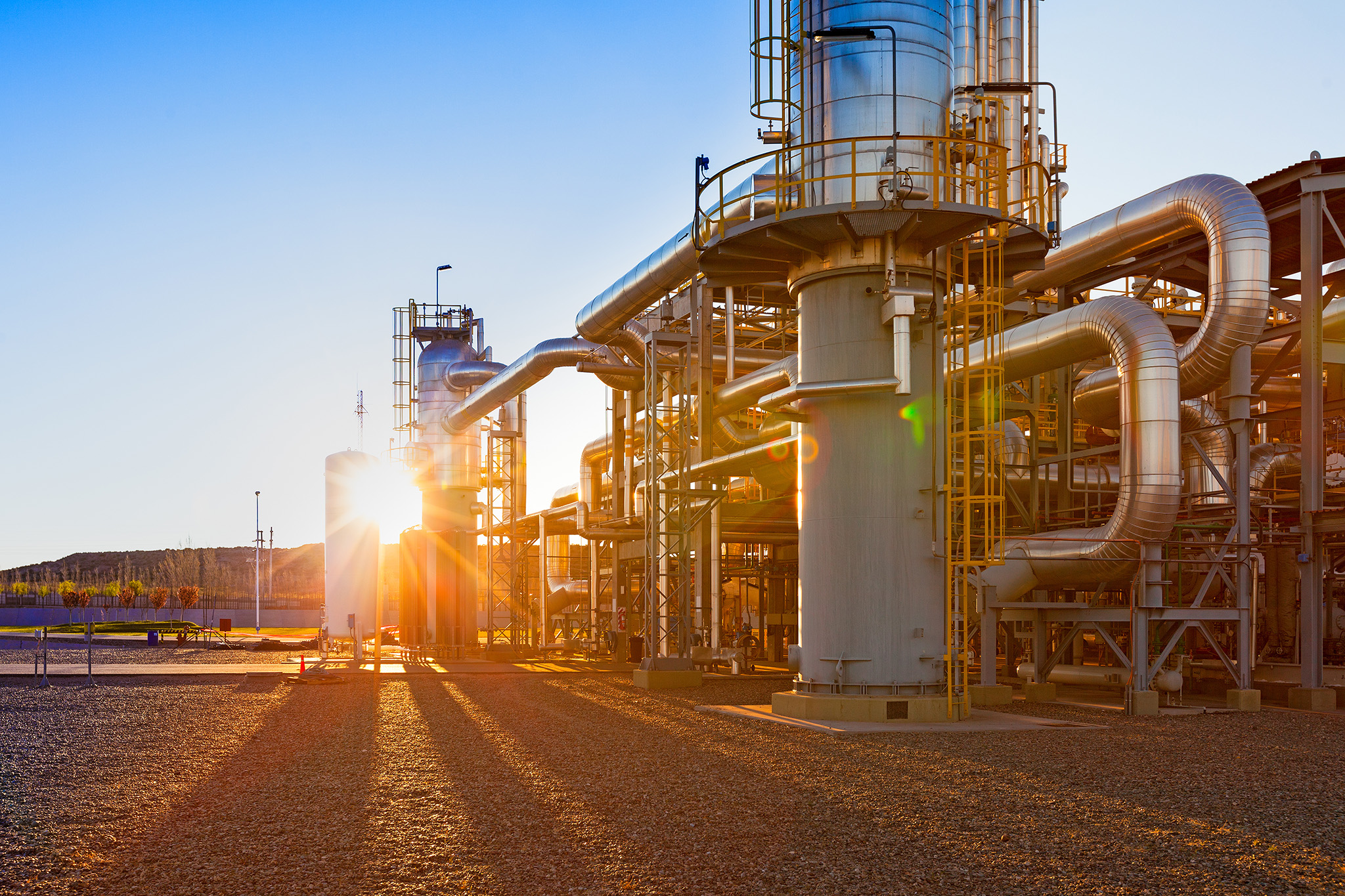
We are investing in gas-to-liquids projects designed to turn natural gas into excellent quality liquid fuels, base oils, and other liquid derivatives from oil. Our investment in R&D, with other collaborative efforts are beginning to provide insights on more cost effective GTL technologies and commercial business model.
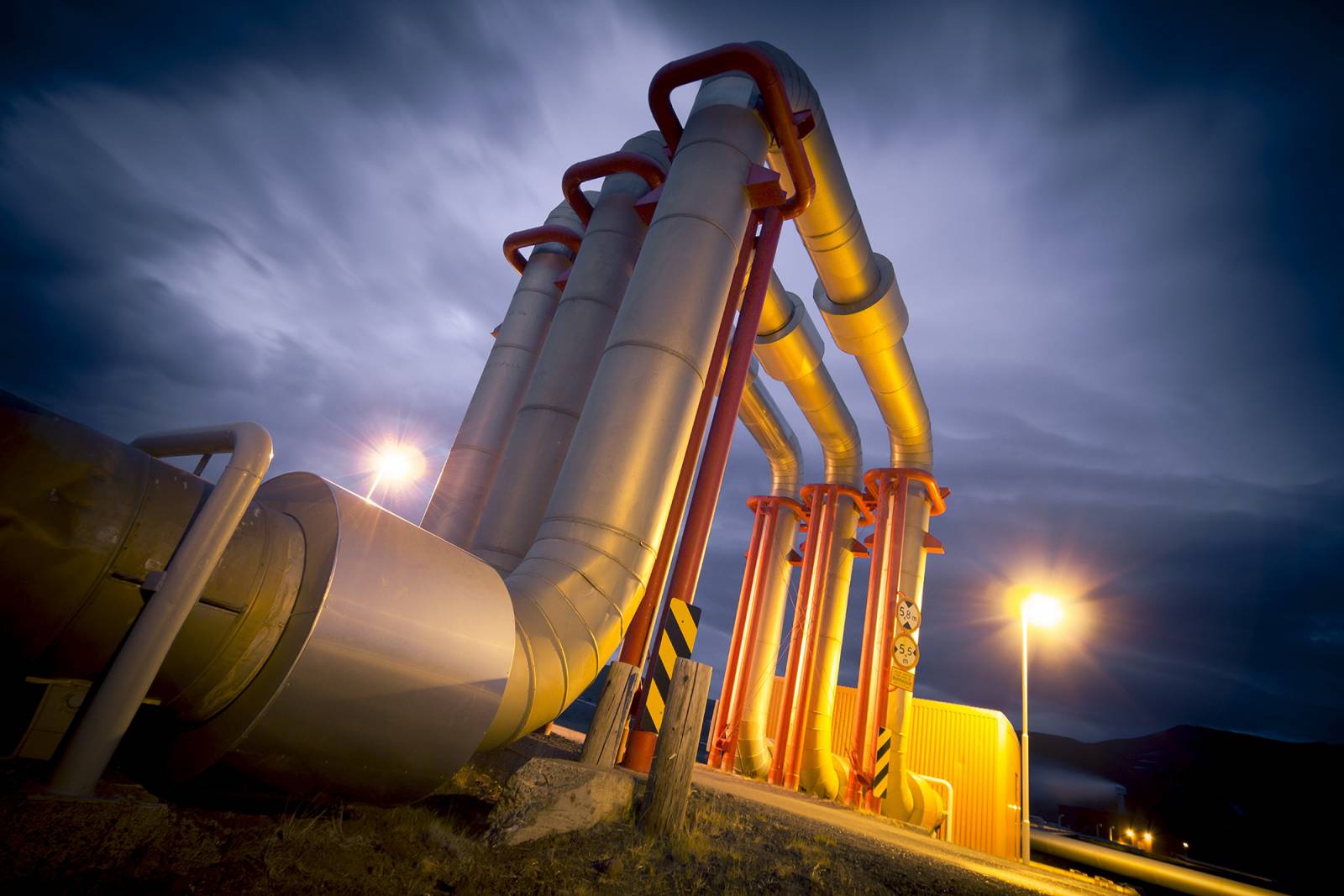
Conventionally, GTL products are colourless and odourless due to absence of impurities like sulphur, aromatics and nitrogen which are present in crude oil. The significant economic value of GTL production can help natural gas-rich regions to jump-start their economies as the global demand for liquid products contnues to grow.
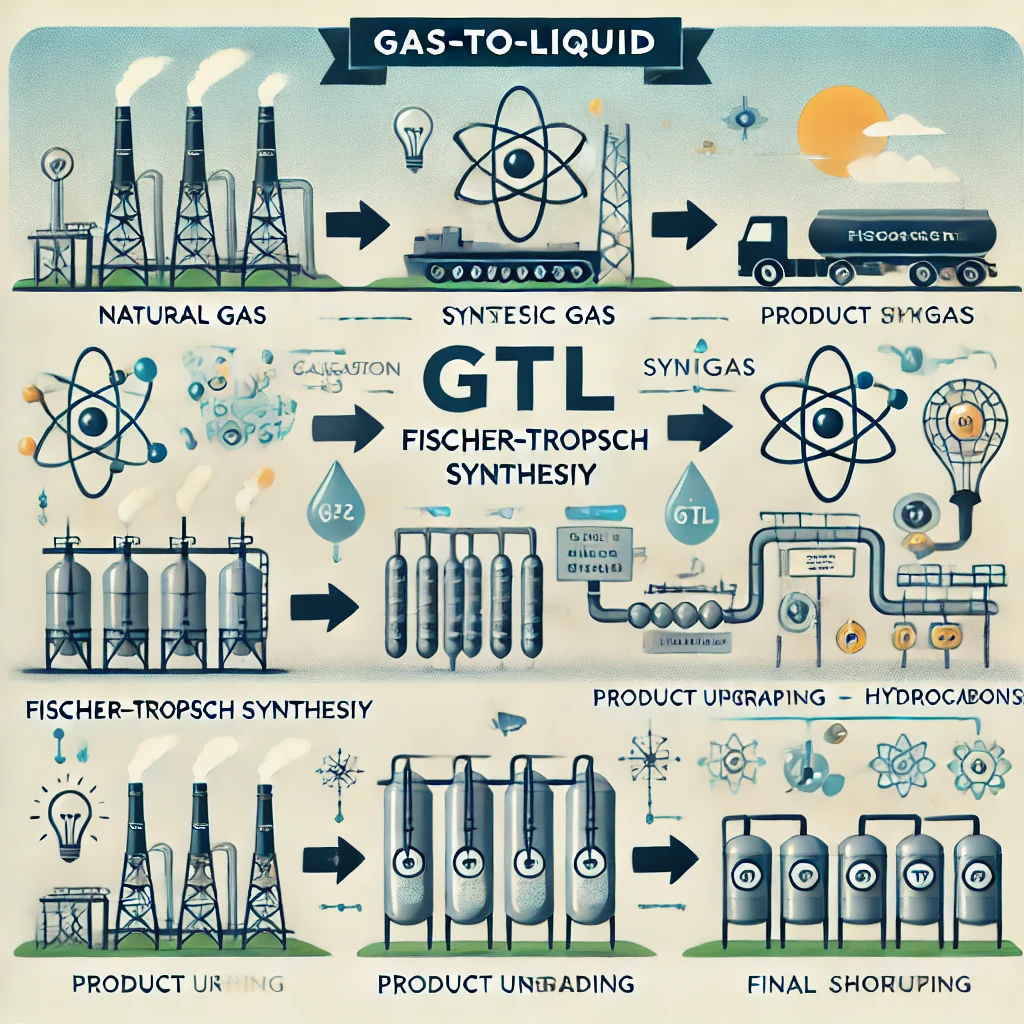
Typically, GTL processes consist of three stages. At the first stage, synthesis gas, a mixture of hydrogen and carbon monoxide, is manufactured from natural gas by partial oxidation. Impurities are removed from the syngas. At the second stage, synthesis is converted into liquid hydrocarbons using a catalyst. This is where a liquid is formed which looks and feels like wax at room temperature. The third and final stage is cracking and isomerisation, which adapts the molecule chains into products with desired properties. This yields high-quality liquids such as diesel, lubricant oil, and kerosene.
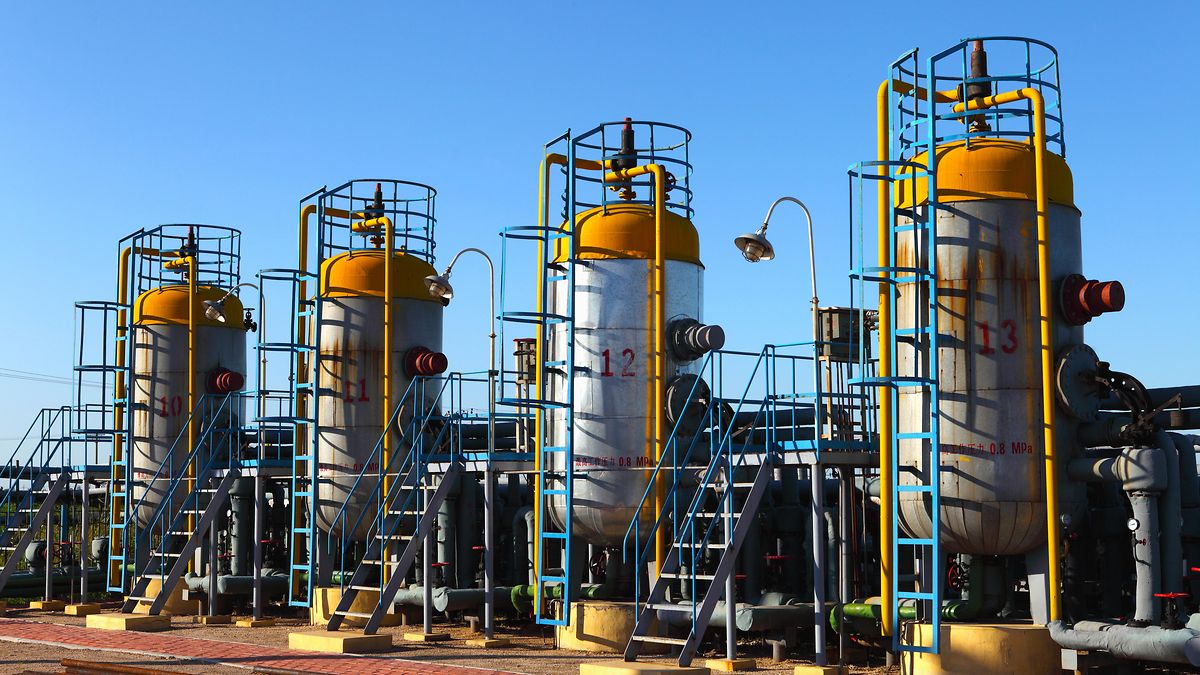
Sophisticated synthesis catalysts are crucial for effective, extensive conversion of natural gas to liquid fuels and other products. Each catalyst is approximately the size of rice grain. Notably, about 160 grams of these grains would produce a surface area equivalent to that of a standard football pitch. Methodically, large volumes of gas are exposed to the catalysts' chemically treated surface, which maximises the rate of chemical GTL-reactions. Periodically (4-yearly), the cobalt inside used catalysts is recovered to make new catalysts.
GTL Fuel lowers local emission and can serve as alternative fuel for diesel engines. It can be used in existing heavy-duty diesel vehicles without modifications, allowing for easy transition from diesel fuel with no retrofit cost required. GTL Fuel has physical characteristics similar to that of crude diesel. However, reliable studies show that it has a much higher cetane number, a higher mass calorific value, lower levels of sulphur and aromatics, and a lower density.
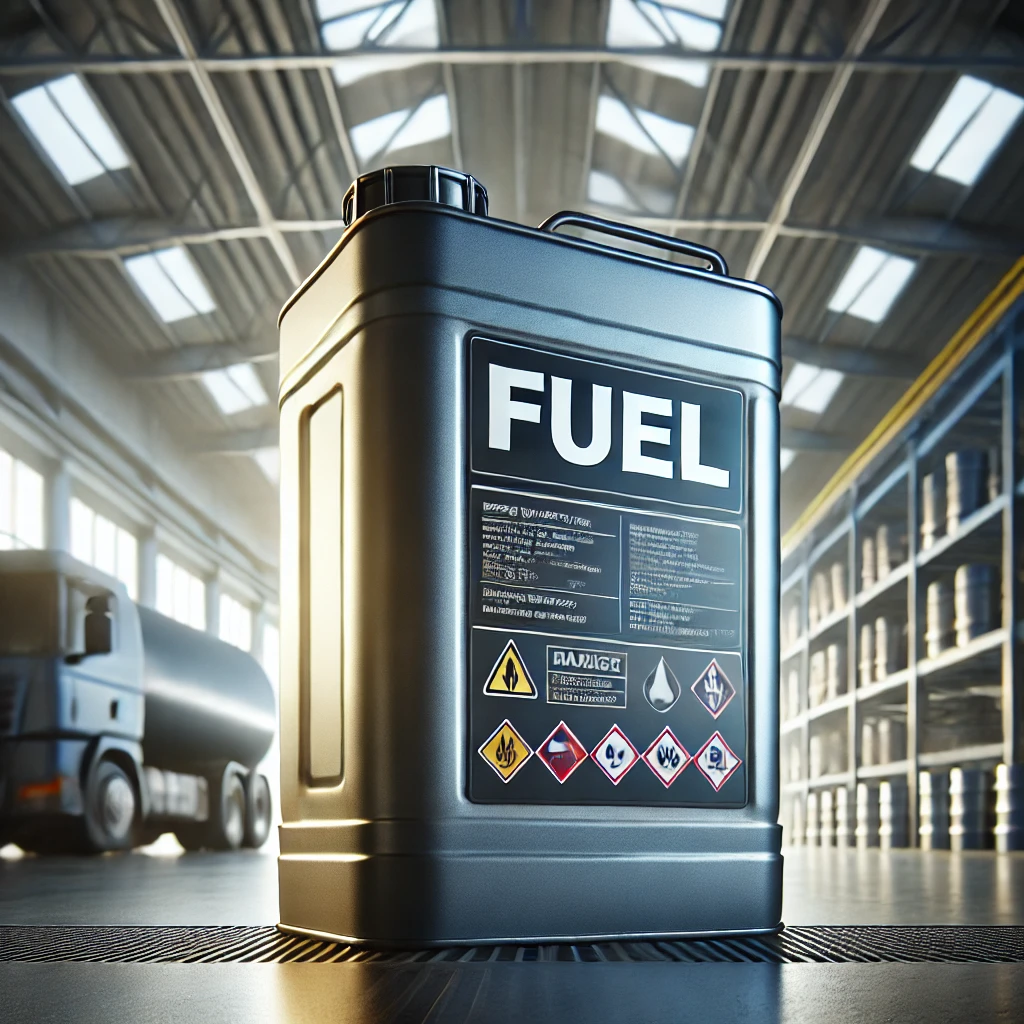
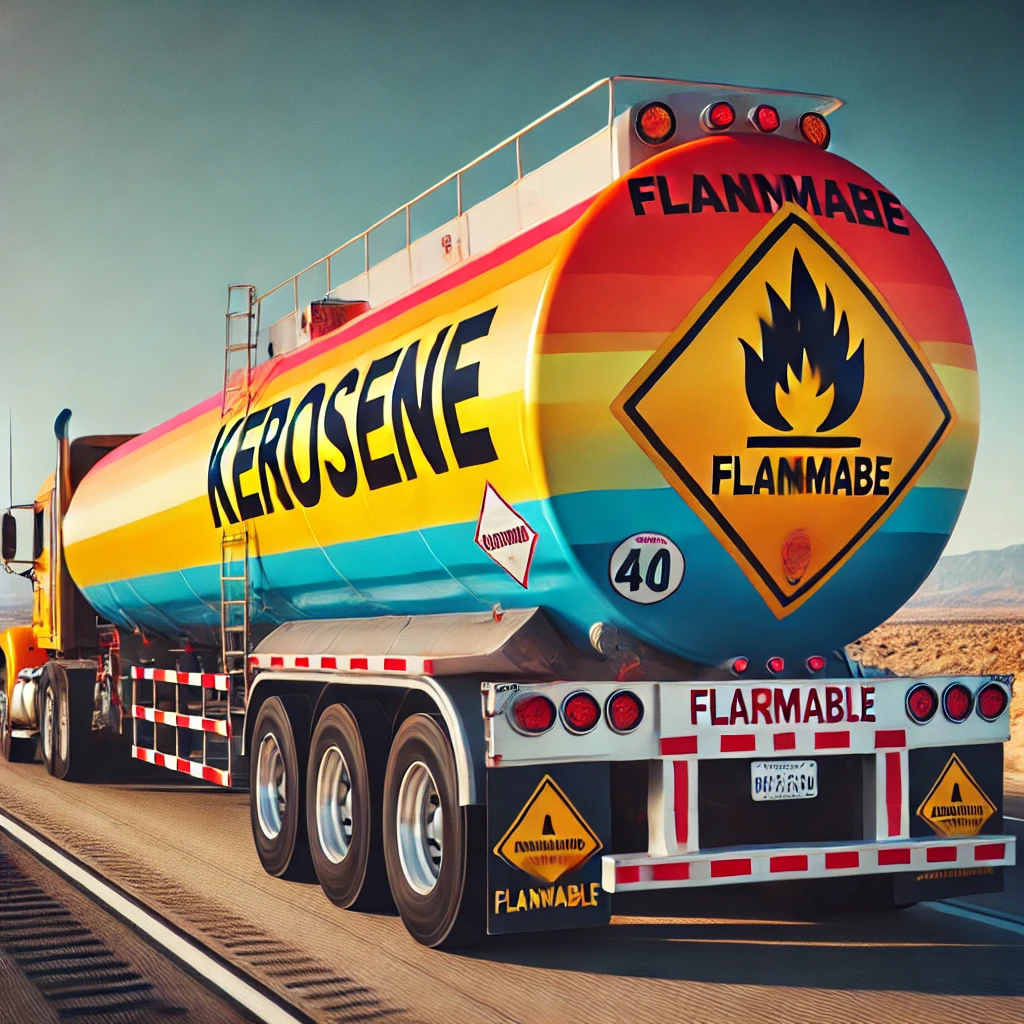
GTL Kerosene is made from natural gas rather than crude oil, which can be used in aviation and other purposes. GTL Jet Fuel is a blend of GTL Kerosene and conventional crude oil-derived jet fuel. Compared with the conventional oil-based kerosene, GTL Kerosene produces virtually zero sulphur dioxide emissions and lower particulate emissions. The combustion properties of GTL Kerosene are exceptional. It has low emissions, arguable one of the best options for lamp oil and greenhouses fuel due to its typically high smoke point.
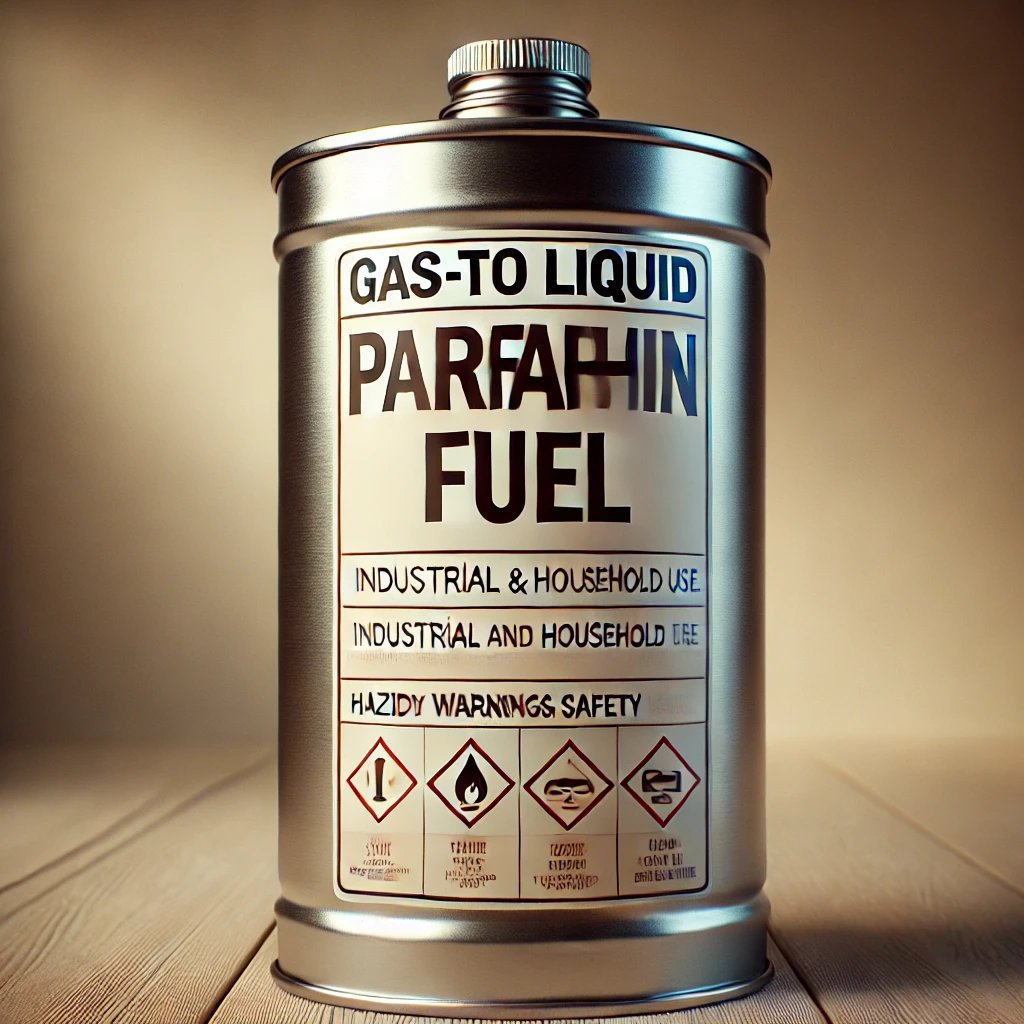
GTL Paraffin remains alternative feedstock for detergent production substituting normal paraffins from oil-based kerosene. Also known as light detergent feedstock (LDF) and heavy detergent feedstock (HDF), these products are used in making washing up liquids, PVC plasticisers and other high value products.
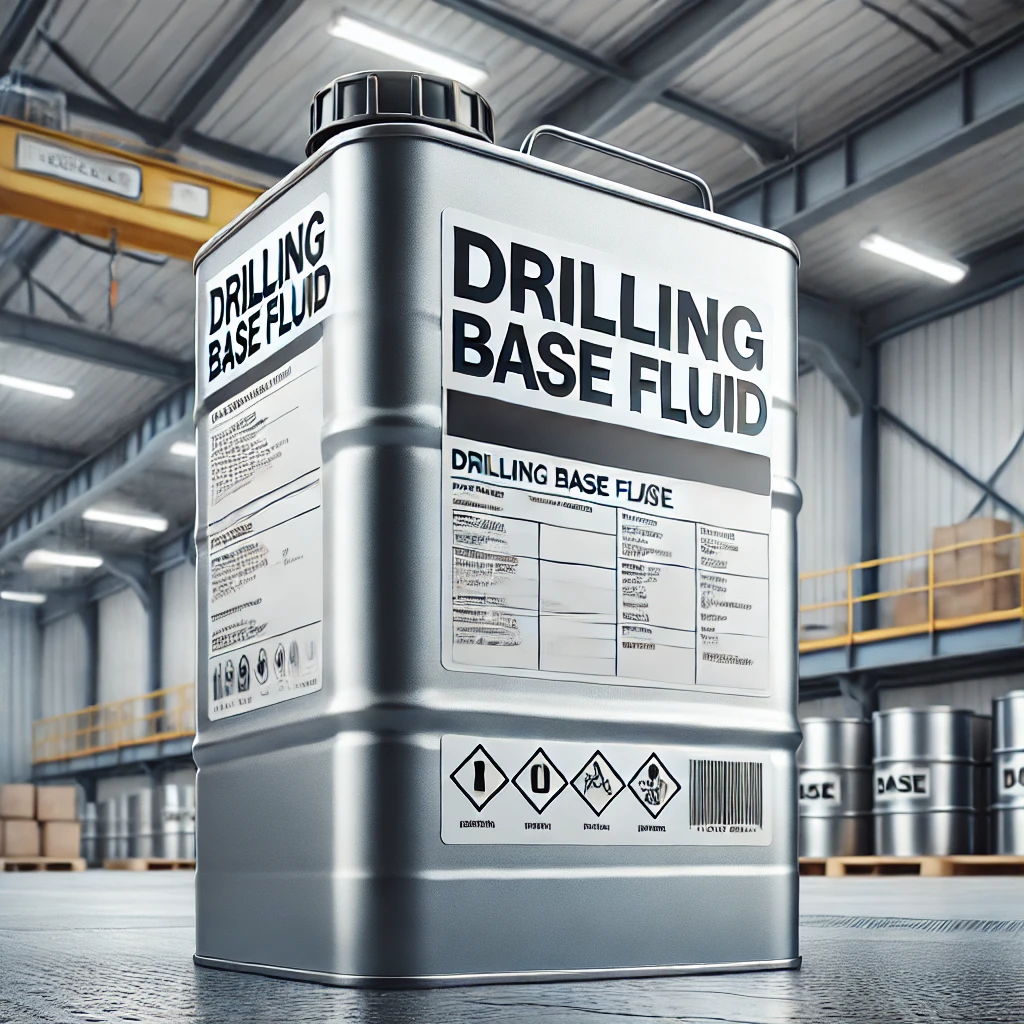
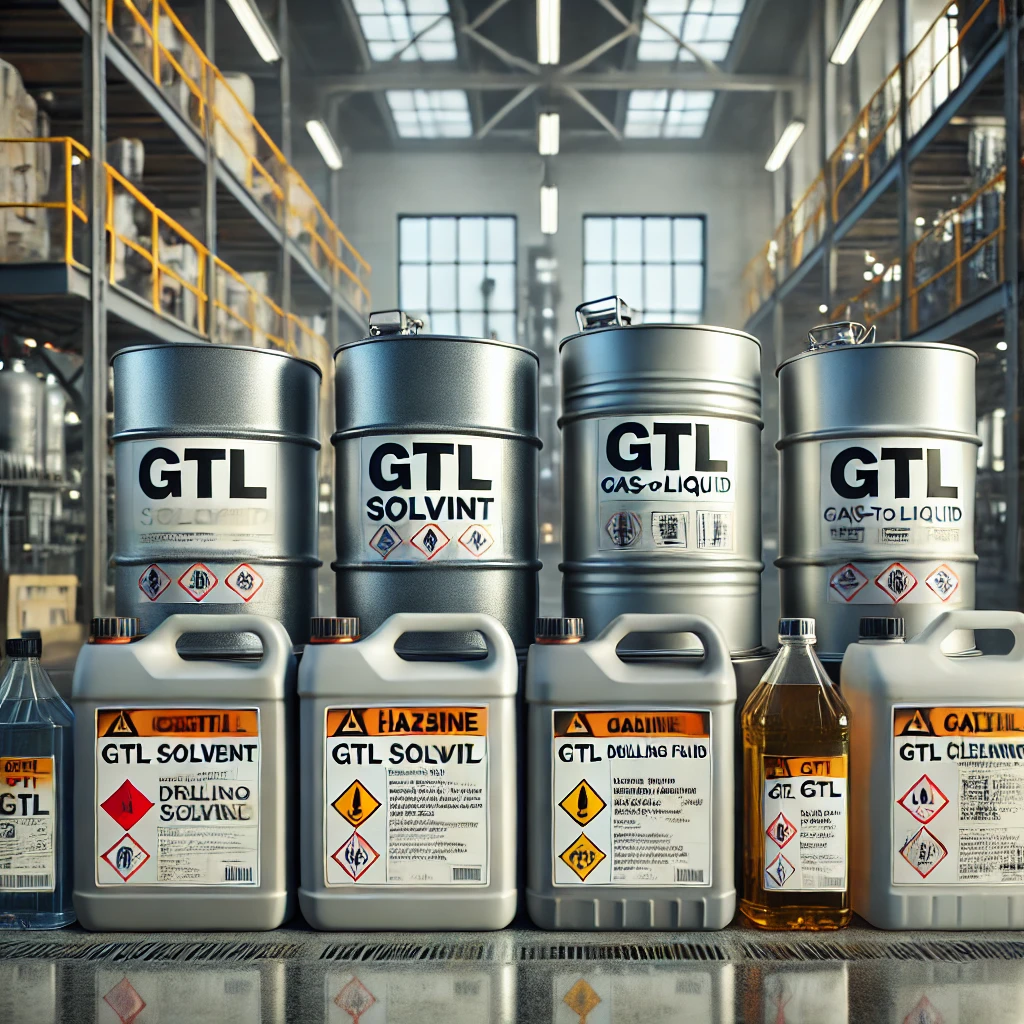
GTL Drilling Base Fluids are from of a synthetic drilling low viscosity base fluid, a high flash point, high biodegradability and low toxicity. These products are proven, and are widely deployed in drilling operations globally.
GTL Fluids and Solvents are revolutionary, high-purity paraffinic fluids. Their distinctive composition, combined with low aromatics content, suitable for use in a wide range of solvents options including polishes, cleaners, pesticides, paints and coatings, inks, cosmetics heating and lighter fluids.
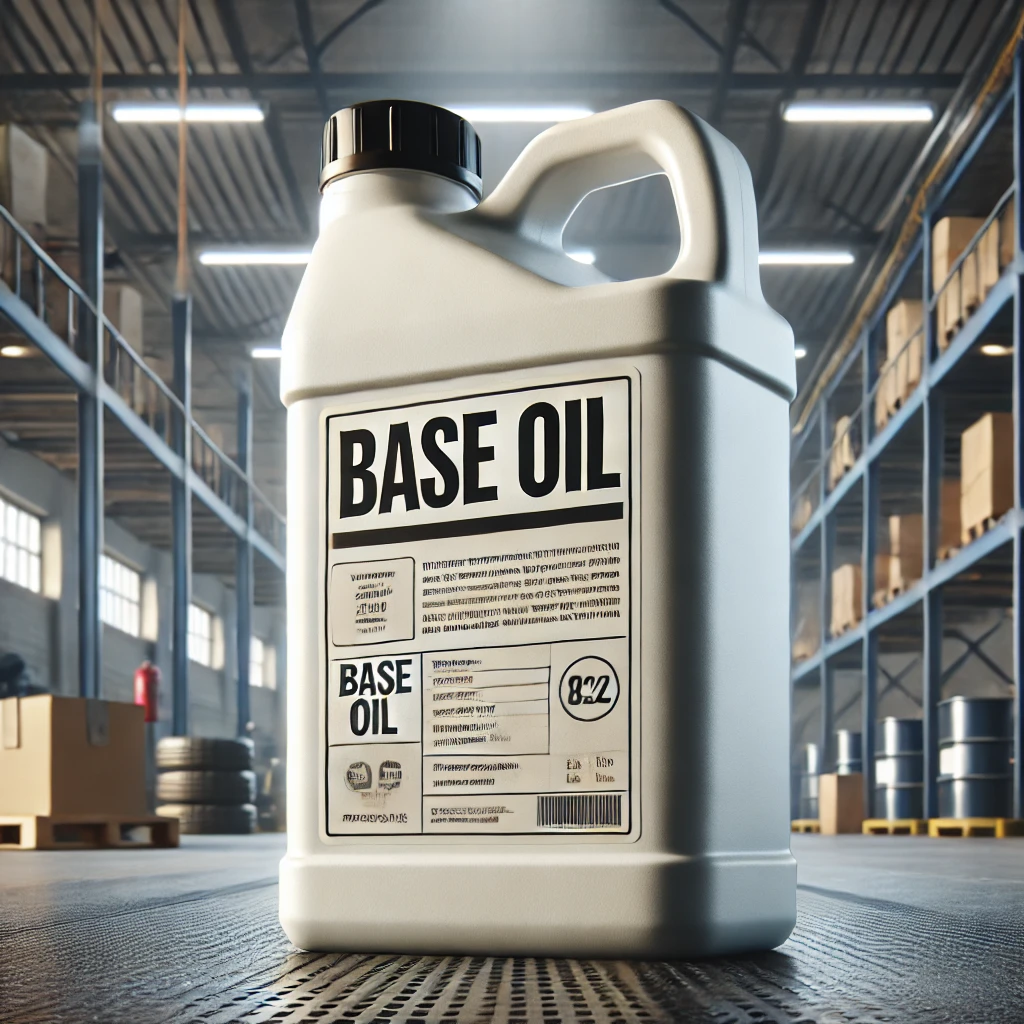
GTL Base Oils exemplifies a new way of producing synthetic base oils which is the main component of lubricants derived from natural gas. Most gas-to-liquid processes in the lubricants industry convert natural gas into colourless base oils without impurities.
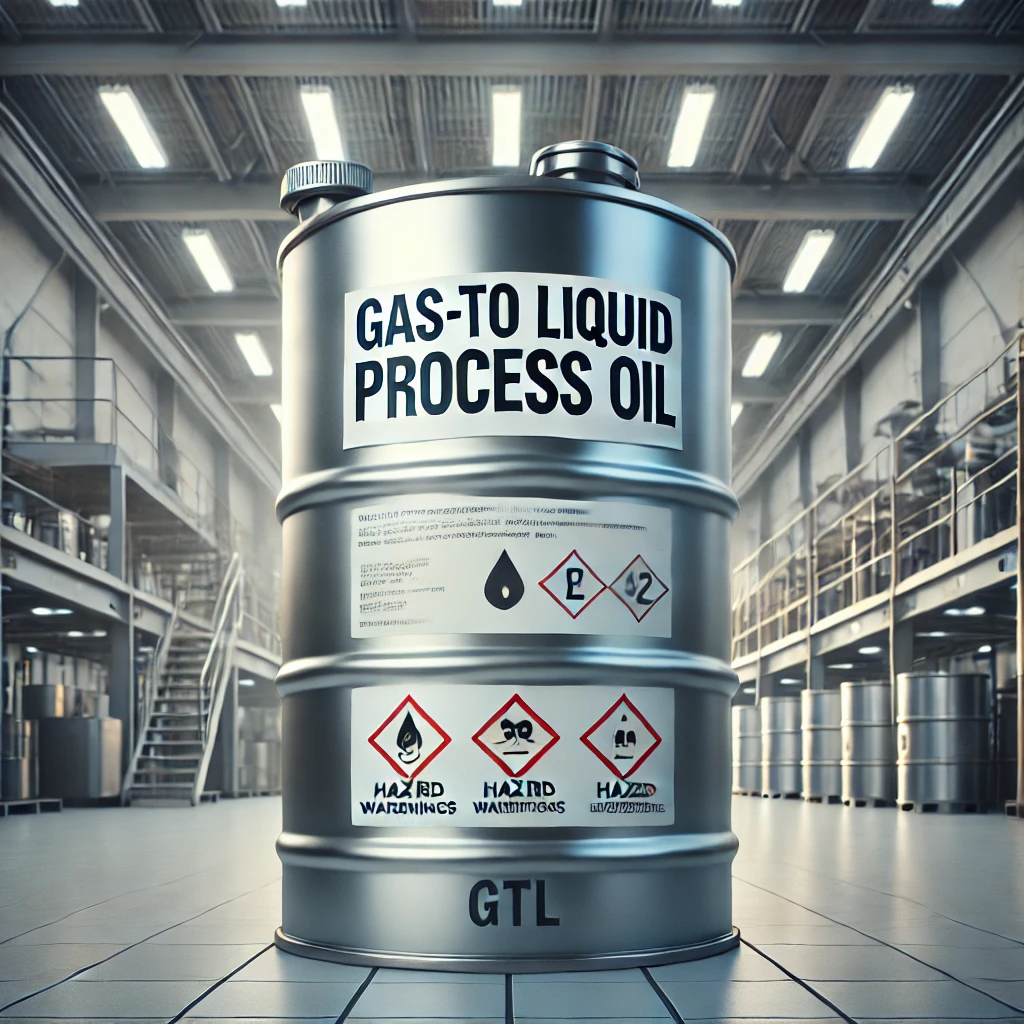
Historically, GTL Process Oils are used in a wide variety of chemical and technical industries either as raw material or as support feed to processing. GTL Process Oils have a water-white colour and offer a uniform chemical structure, a high flash point and low volatility, and thermal stability. They do not contain sulphur, aromatic or nitrogen.
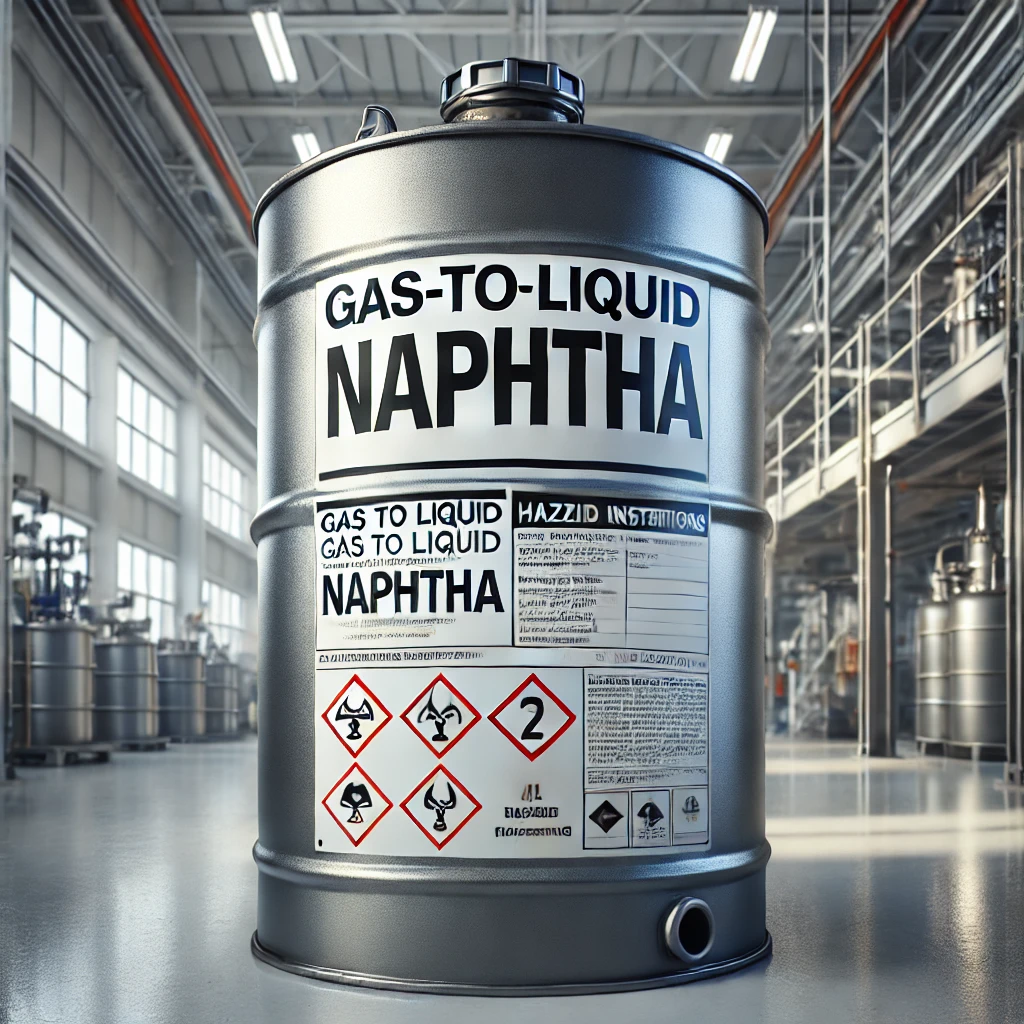
GTL Naphtha is a substitute high-quality feedstock for chemical manufacturing bedrock for plastics. It offers superior yields of ethylene and propylene over conventional naphtha. GTL Naphtha is of high quality and it is cleaner due to absence of sulphur and heavy metals.
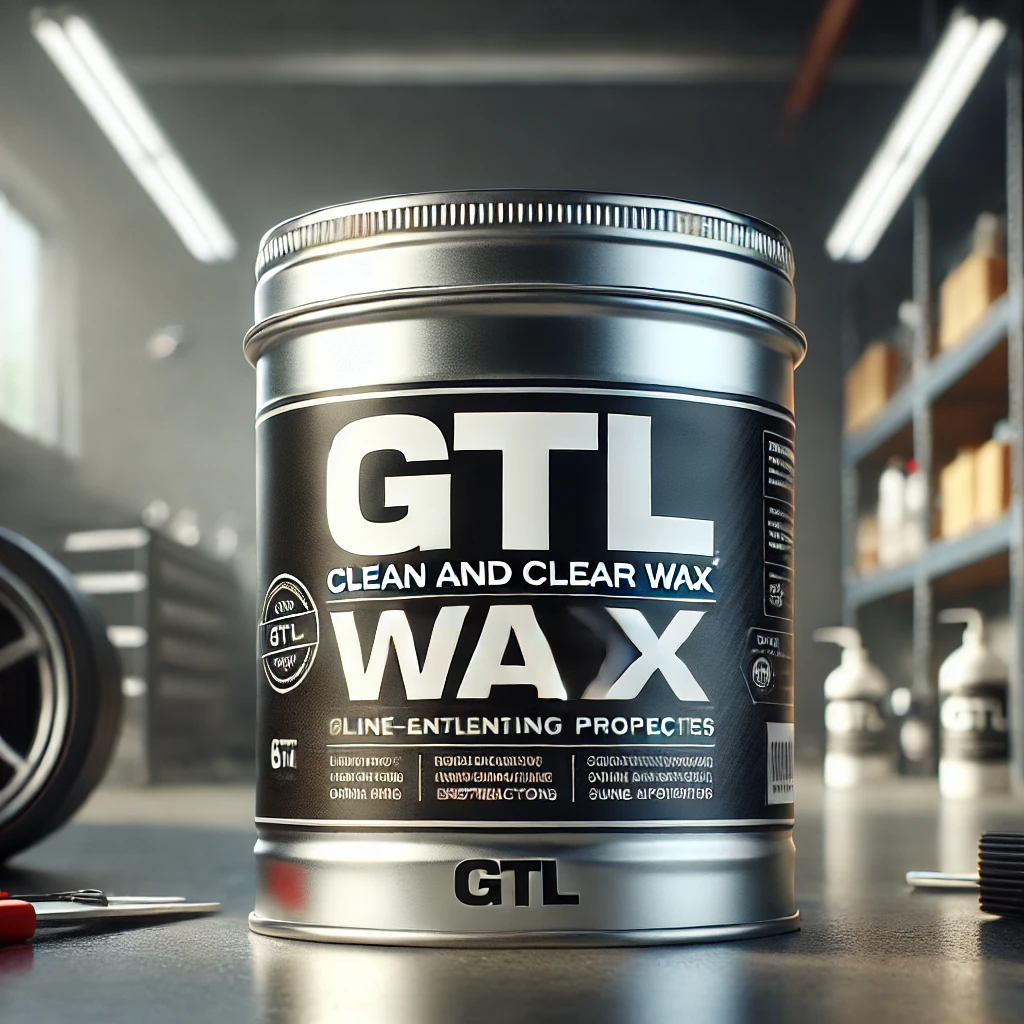
GTL Waxes are suitable for purposes such as melt adhesives, PVC lubricants, printing inks, rubber and tyres to candles, personal care and packaging material. GTL Waxes are odourless and have an opaque white appearance and produce colour brilliance with minimum colouring agents. They also have high purity and consistent properties which make them ideal for automated and precision industrial applications. Sharp melting and cooling and low viscosity improve application speed for different uses.
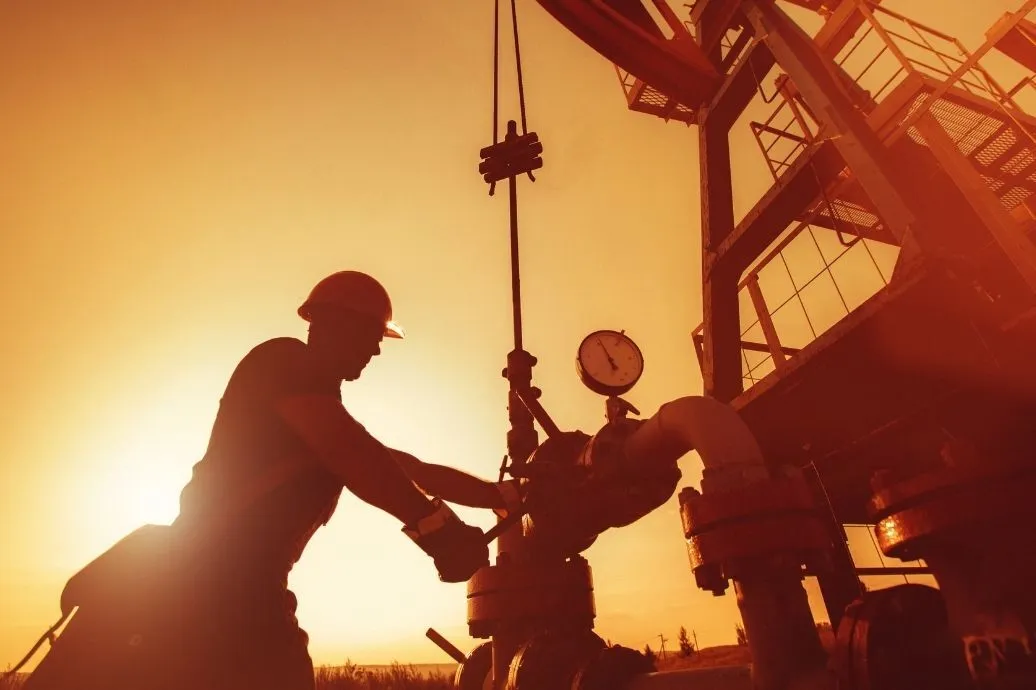
Oil and gas industry will retain its prominence for years to come. Decarbonization efforts will vary for different industries.
Read more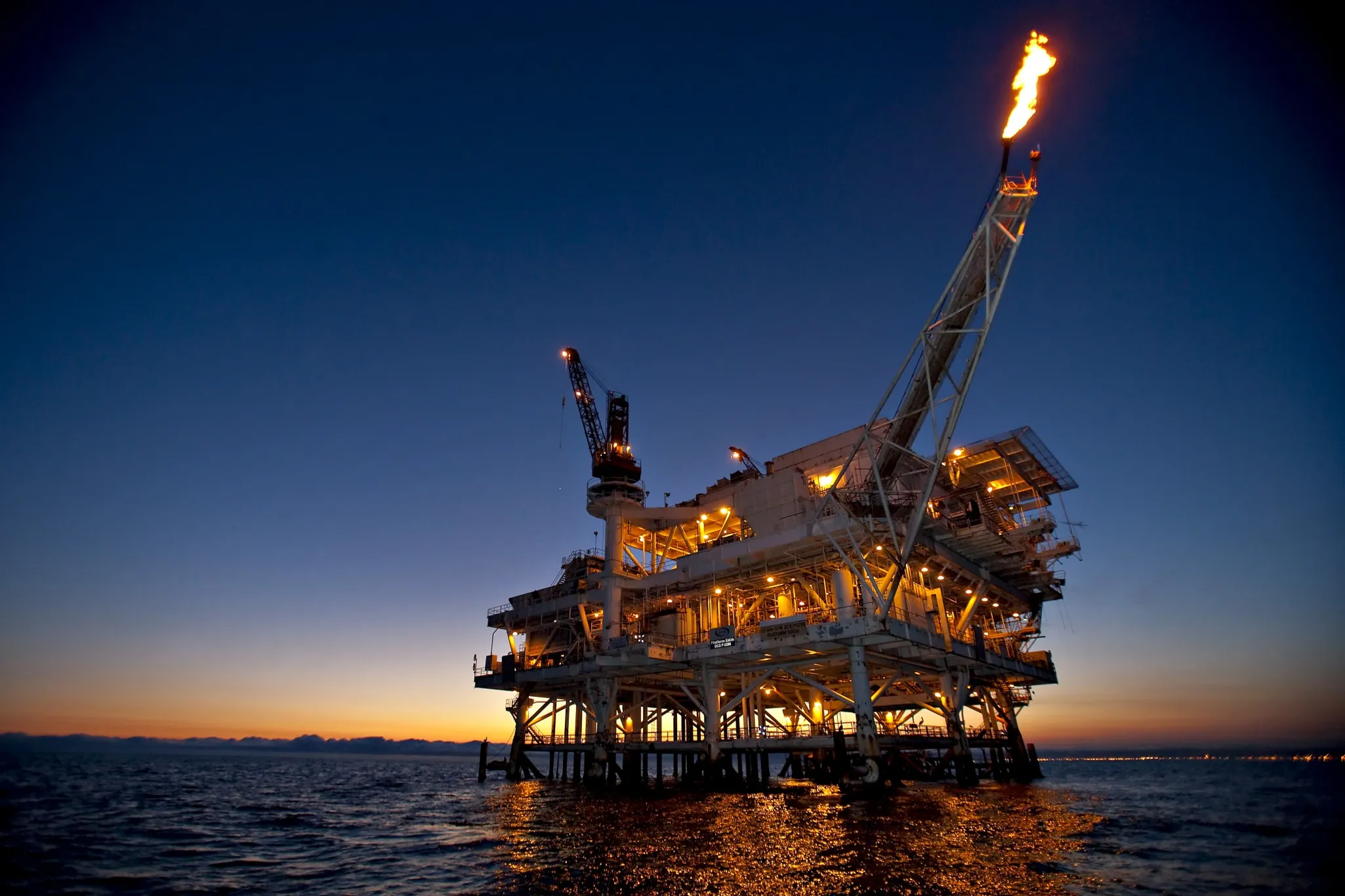
One of strategic focus areas is deep-water oil and gas production for higher-margin and lower-carbon barrels delivery.
Read more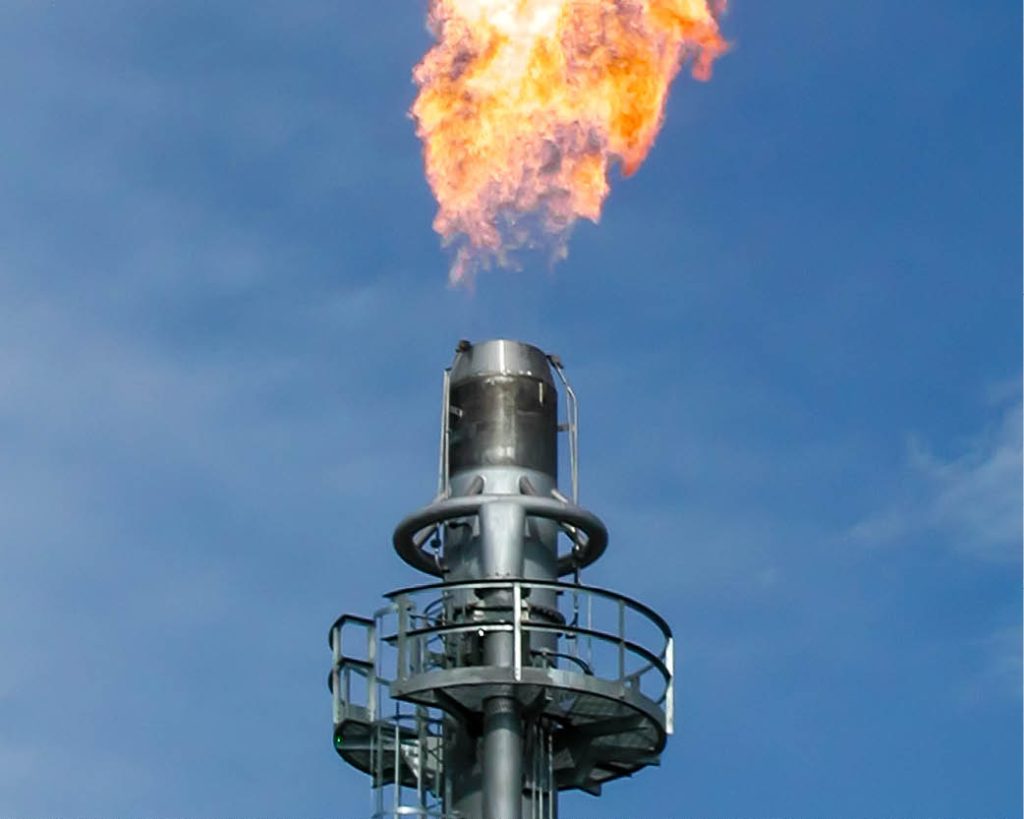
Schlau has set a target to eliminate routine gas flaring from its Upstream-operated assets by 2030 in line with World Bank's Zero Routine Flaring by 2030 initiative, to which the major operators are signatories.
Read more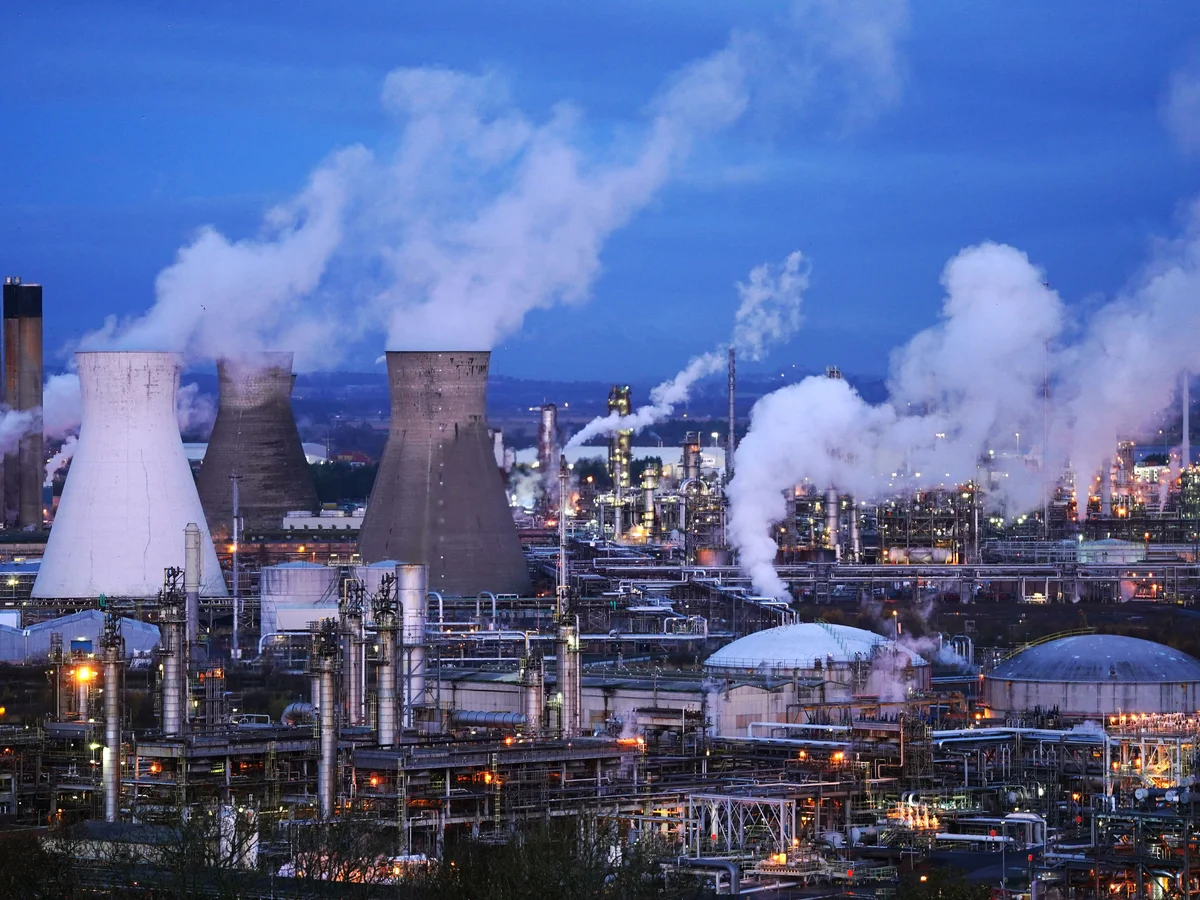
Natural gas has methane (CH₄) as the primary component. Sadly, methane is a powerful greenhouse gas with impact on climate change over 20 years more than 80 times greater than carbon dioxide (CO2).
Read more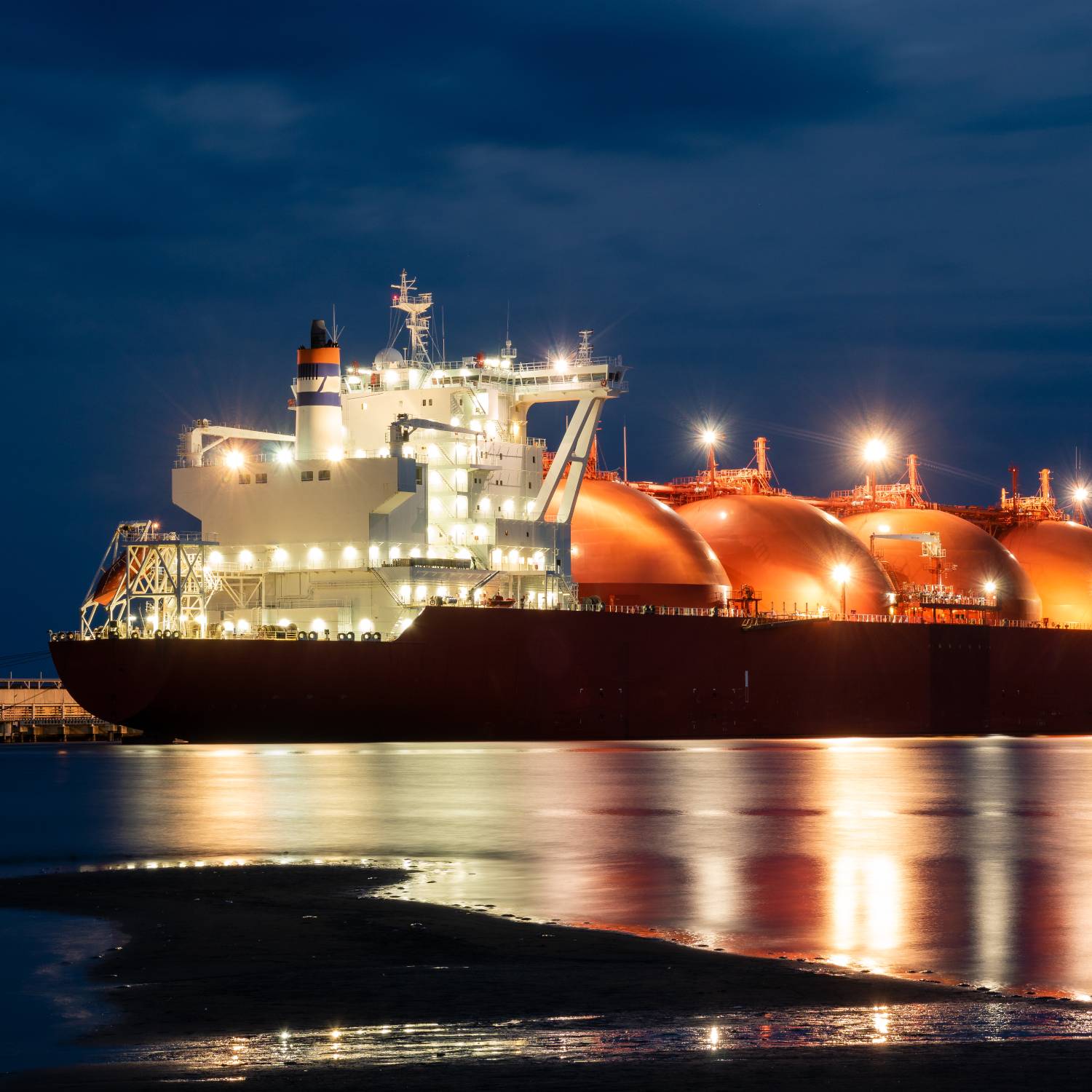
Schlau Energy is exploring significant number of liquefied natural gas (LNG) business opportunities in the Gulf of Guniea.
Read moreWe are investing in gas-to-liquids projects designed to turn natural gas into excellent quality liquid fuels, base oils, and other liquid derivatives from oil.
Read more