
Successful shift to a net-zero future requires foreseeable growth in demand for low-carbon energy at the same time, it is not enough to just supply low-carbon energy.
Thus, Schlau Energy is collaborating with other energy companies to join forces on carbon emissions reduction from key sectors such as industry, aviation, marine, road freight.


In 2025, there are around 1.49 billion vehicles on the road, consuming around 42 million barrels of oil a day (mb/d), which is slightly over a quarter of the world's oil production. As part of our emission reduction strategy, we advocate for blending of lower-carbon choices such as biofuels blended into conventional fuel. We also push for electric vehicle charging and hydrogen for the future.
Most consider Sustainable Aviation Fuel (SAF) which represents less than 1% of demand and is made from used cooking oils + other feedstocks as a credible alternative to jet fuel. However, we expect its market share to grow with support from stakeholders.
Going forward we will be collaborating with SAF producers to assess the right investment options that improve SAF production and supply to the aviation industry. Our long term strategy would explore R&D investments in battery-electric and hydrogen-powered aircraft for the aviation industry.


Today, world trade is predominantly (80%) transported by ships. Shipping industry represents about 6 million barrels of oil demand. Available data shows that Liquefied natural gas (LNG) can reduce emissions by up to 23% compared with conventional fuels.
In coming years, lower carbon intensity alternatives such as LNG, and biofuels will displace energy supplied by fuel oil. LNG is the lowest carbon marine fuel available at scale today and offers significant greenhouse gas emissions reduction compared to conventional fuels.
The industry constitutes about 34% of final energy use. Its fuel requirement for energy from heavy equipment to medium-level heat and electricity for manufacturing facilities. The energy mix for the light industry includes coal, oil, gas, electricity and some commercial biomass. Many areas of the light industry have already switched to electrification. Supportive and intentional government policies are essential to decarbonise the sector in pursuit of the 2050 net-zero emission target.


Efforts are in full swing to cut carbon from some of the world's biggest industries, helping to limit global warming to 1.5°C, in line with the climate goal of the UN Paris Agreement. We are supportive of this accord to explore lower-carbon ways to produce the cement, steel and chemicals for tomorrow's world.
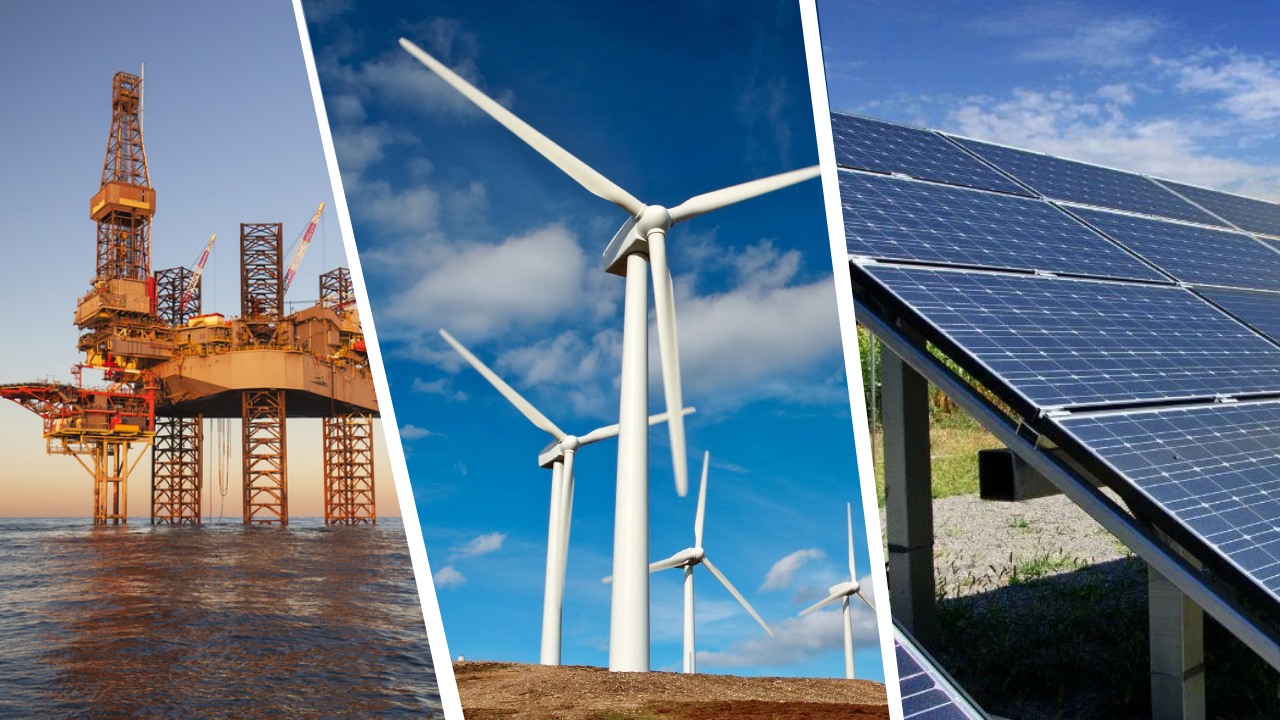
We are reprioritizing our portfolio in favour of acquisitions and investments in lower-carbon energy solutions.
Learn more
Our energy transition strategy is designed to create more value with less emissions.
Learn more
At Schlau, we have continued to prioritize investments in R&D to jolt the development of fuels of the future.
Learn more
Schlau Energy and associated organizations support a just energy transition with focus on making a positive impact on our employees, host communities, vendors, and consumers.
Learn moreSuccessful shift to a net-zero future requires forseable growth in demand for low-carbon energy at the same time, it is not enough to just supply low-carbon energy.
Learn more