We acknowledge that there might not be any single solution to the pressing challenge of reducing carbon emissions to limit global temperature upsurge.
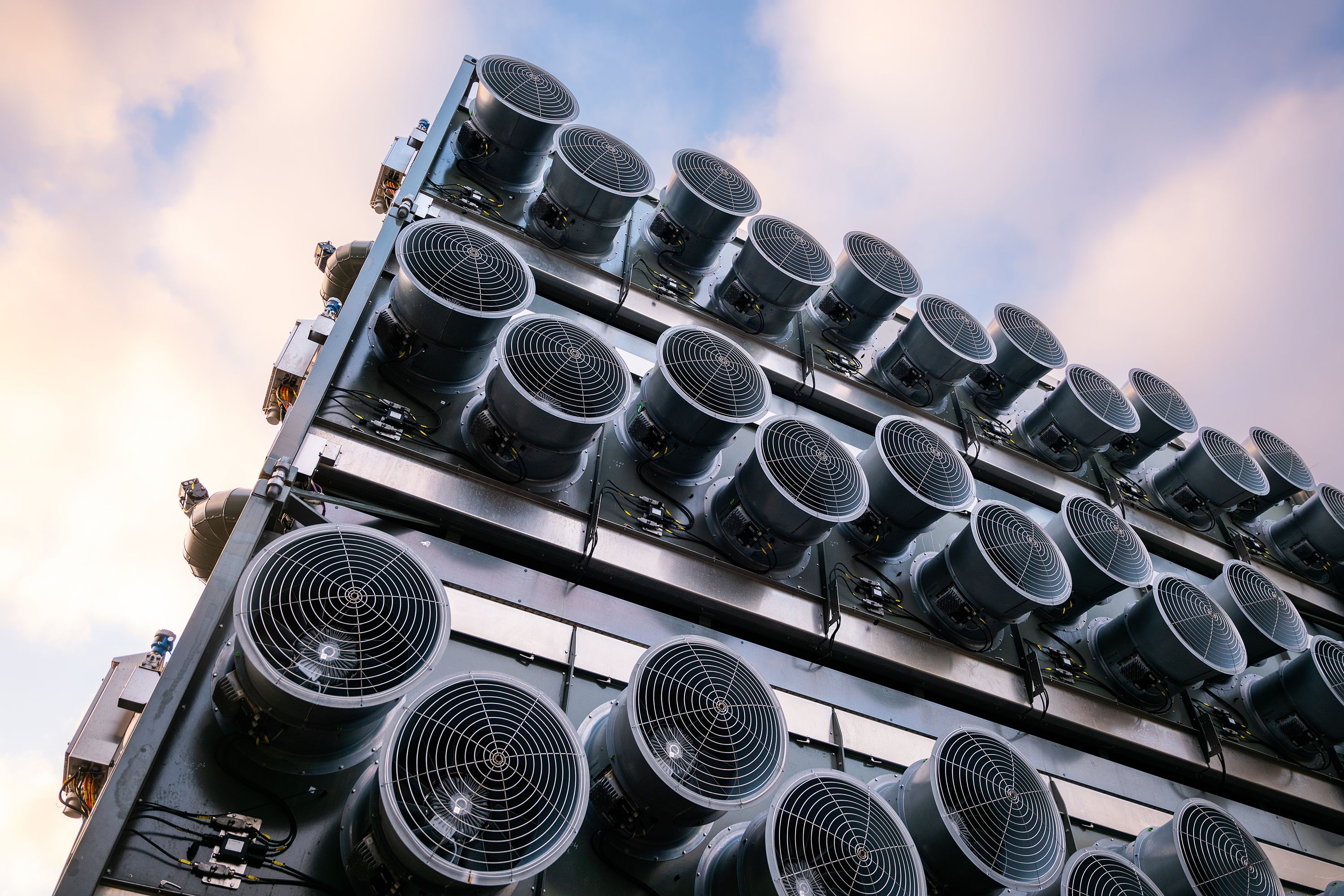
However, carbon capture and storage (CCS) offers a realistic option to cut emissions from sectors that are hard-to-decarbonise. CCS, is a combination of technologies that capture and store carbon dioxide deep underground, preventing its release into the atmosphere.
Recent studies have shown that CCS will be fundamental in assisting society to achieve net-zero emissions. At Schlau Energy, we aspire to work with stakeholders to harness the potential for CCS globally. Our aspiration is to become a net-zero emissions energy company by 2050. Resultantly, we plan to reduce emissions from our operations, fuels and other energy products in order to become a net-zero emissions energy company. It also means capturing and storing any remaining emissions using technology or balancing them with with carbon credits and removals.
The concept of CCS is to prevent the release of CO2 into the atmosphere. It is generally used to help decarbonise industrial processes, such as the production of cement steel, chemicals, power stations that use hydrocarbons to generate electricity. These areas suffer impediments to the adoption of low-carbon alternatives to the traditional fossil fuel.
At Carbon Capture and Storage facilities, CO2 is first separated from any other gases produced. Thereafter, the CO2 is compressed and transported through a pipeline or vessel to designated storage. Lastly, the CO2 is injected into geological formations deep underground for permanent storage.
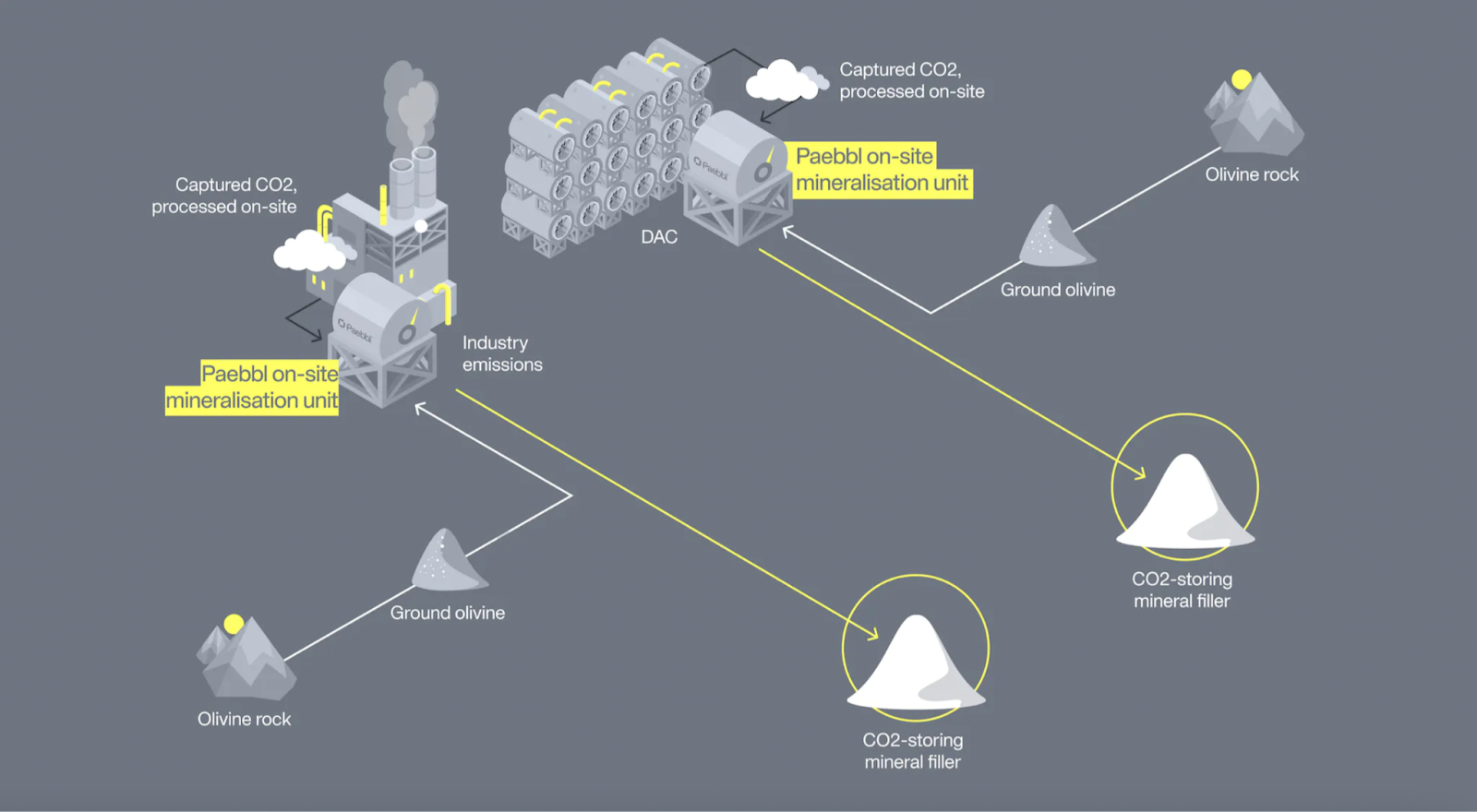
According to IEA's sustainable development scenario, carbon capture, utilisation and storage accounts for nearly 15% of the cumulative reduction in emissions.
Historically, one of the challenges of CCS is the transportation of captured CO2 between capture sites and storage locations. Mostly, CCS is transported by pipeline. Nevertheless, where a pipeline is not realistic, shipping can provide an alternative method of transporting CO2 in bulk.
At Schlau Energy, we align with climate scientist who believe that the world needs CCS technology if society is to achieve net zero emissions. In the Gulf of Guinea, there isn't currently sufficient regulatory support or a clear business model for CCS. Consequently, we will be collaborating with regional governments for policy mechanisms that drive utilization of CCS at scale. Likewise, Schlau Energy will collaborate with industry partnerships to explore decarbonization options for hard-to-abate industries.